Song Meaning
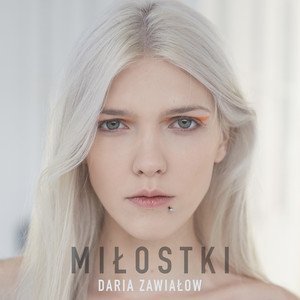
Daria Zawiałow's "Miłostki" isn't merely a song; it's a meticulously crafted psychological battlefield disguised as a pop song. The initial playful hide-and-seek ("Chłopcze w dłonie klaszcz i szukaj mnie / Nie, nie powiem nigdy gdzie") immediately establishes a power dynamic. This isn't innocent flirtation; it's a game of cat and mouse where the singer holds all the cards, relishing the control that elusiveness provides. The lyrics drip with a calculated detachment, suggesting a past littered with emotional wreckage. Zawiałow understands the seductive allure of unavailability. She weaponizes it. The "dumna twarz" of her pursuer is a challenge, an ego to be stroked and then denied. It's a dance of calculated cruelty, fueled by a desire to remain forever hidden, forever in control.
The recurring motif of deception underscores the song's core theme. The "biała flaga," a symbol of surrender, is dismissed as "nieprawdziwa." This isn't a genuine offer of peace, but a feint, a way to lull the other party into a false sense of security. The "bolesne myśli" that hide her heart suggest a deep-seated fear of vulnerability. Love, in this context, isn't a source of joy but a potential weapon. The chorus, with its image of dancing in the wind and seductive smiles, becomes a taunt. It's a display of power, a reminder that the singer is untouchable, a phantom in the wind. The line "Dławi mnie Twój puls" is particularly striking, suggesting that the other person's desire is not a source of connection, but a suffocating force.
The second verse delves deeper into the singer's desire for complete emotional isolation. "Coraz niżej gram / I myślę jak mam ukryć się na samym dnie / Tam gdzie miłostek nie ma nie" reveals a yearning for a place devoid of love, a sanctuary from the pain it inevitably brings. The understanding that "sentymenty złe / Potrafią zabić tylko mnie" is a hard-won lesson, a justification for her emotional fortress. "Miłostki," therefore, is not just a song about love, but about the self-preservation tactics one employs in its wake. It's a portrait of a heart guarded by layers of defense mechanisms, a testament to the enduring power of past hurts. Zawiałow transforms personal pain into a compelling narrative of emotional resilience, or perhaps, emotional entombment.
 View Artist