Song Meaning
The lyrics paint a stark picture of absolute devotion, where the narrator's entire being has been consumed by love. The opening lines, "Ne pola, već celo / Srce je i telo / Samo tebe volelo," immediately establish that this isn't a partial affection but a complete surrender of self. The narrator confesses that the object of their affection has taken "Deo si po deo" (piece by piece) from them, suggesting a gradual but total erosion of their former self.
The central tension lies in the defiant assertion of an unassailable truth: "Možeš da mi uzmeš sve / Ali jedno ne možeš, istinu da volim te" (You can take everything from me / But one thing you cannot, the truth that I love you). This refrain is a powerful declaration, highlighting that while material possessions or even parts of the self can be taken, the core emotion of love remains inviolable. The repeated vow, "Opet da se rodim ja / Za tebe bih živela i za tebe umrla" (If I were born again / For you I would live and for you I would die), underscores the depth and eternal nature of this commitment, presenting it as a fundamental aspect of their existence.
The imagery in the second verse, "Žedna pored vode" (Thirsty next to water), is particularly striking. It conveys a profound sense of unfulfillment and longing, even when surrounded by potential solace or alternatives. The narrator explicitly states that even if offered "Ceo svet na dlanu" (The whole world on a palm), they would still choose to remain with the person they love, reinforcing the idea that this love transcends any worldly gain or comfort.
Ultimately, the raw intensity of these lyrics comes from their unyielding focus on a singular, absolute emotional state. The repetition of the refrain and the extreme declarations of love create a sense of inescapable devotion. The writing works by stripping away all other possibilities, leaving only the stark reality of a love so profound it defines the narrator's entire existence, even in the face of potential loss or sacrifice.
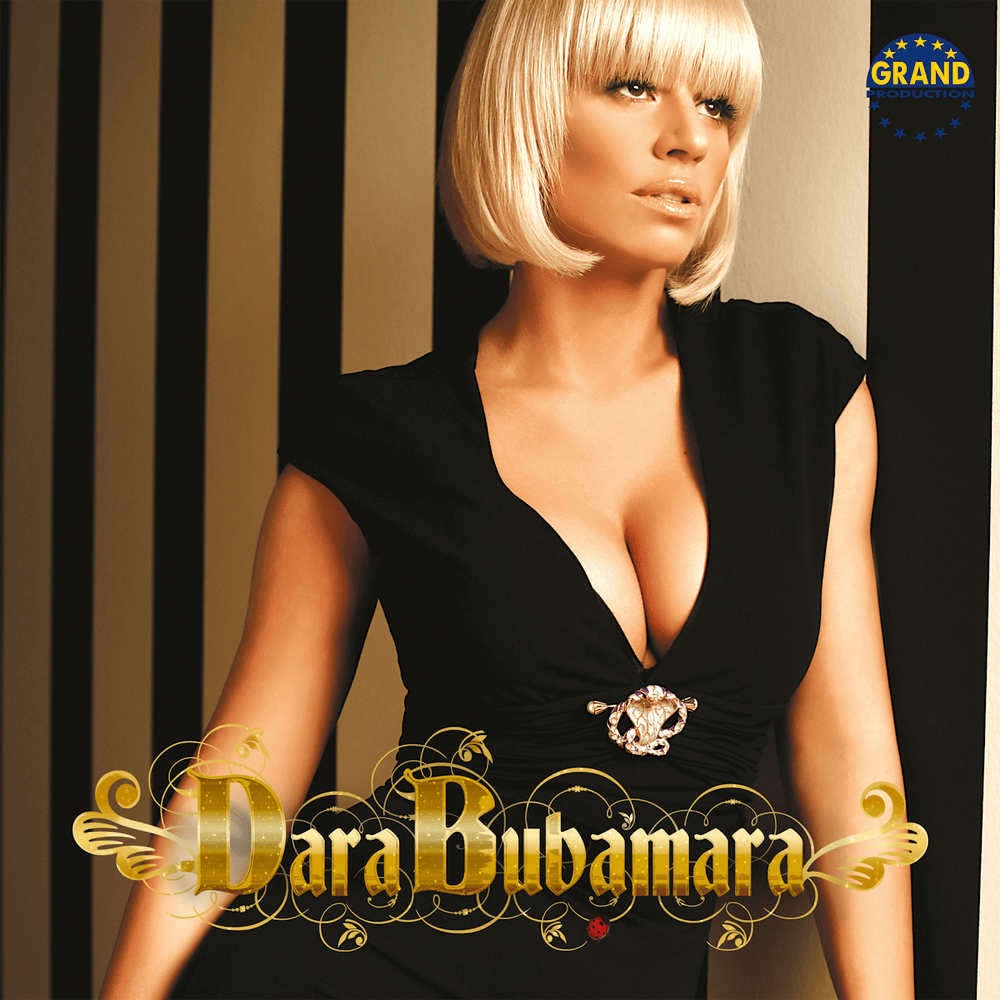
 View Artist