Song Meaning
These lyrics open with a stark image: the narrator, compelled by an overwhelming desire, passes by an ex-lover's house, fully aware she's unwelcome. He appears at the door, but pointedly avoids her gaze. It's a scene steeped in unrequited longing and the bitter taste of a love that refuses to fade.
The central tension here is the narrator's enduring devotion clashing with the ex's cold indifference. She confesses, "želja da te vidim je pobedila" (the desire to see you won), a powerful admission of her inability to resist. Yet, the chorus reveals a deeper, more unsettling truth: "Rani me i ovaj put, preživeću sve / Ja sam s tobom navikla na poraze" (Hurt me this time too, I'll survive everything / I'm used to defeats with you). This isn't just passive suffering; it's a shocking, almost defiant acceptance of pain, a learned resilience born from repeated heartbreak.
The craft here is particularly sharp in how it frames the ex's actions. When he avoids her eyes, the narrator interprets it as, "Da te ne bi suza moja povredila" (So my tear wouldn't hurt you). This isn't about protecting *her* feelings, but *his* from *her* pain, subtly highlighting his emotional detachment or self-preservation. The repeated chorus then acts as a relentless drumbeat, reinforcing the cyclical nature of her love and the defeats she's come to expect.
What makes these lyrics so effective is this complex blend of resignation and underlying defiance. While she declares her habit of enduring "poraze" (defeats), the second verse offers a glimpse of a different emotion. She imagines a world where, "Da sam te ja prva ostavila / Ti bi upoznao život bez radosti" (If I had left you first / You would have known life without joy). This hypothetical, almost vengeful thought adds a layer of bitter resentment, suggesting that beneath the surface of her self-sacrificing love, there's a deep, unacknowledged hurt and a fierce sense of her own worth.
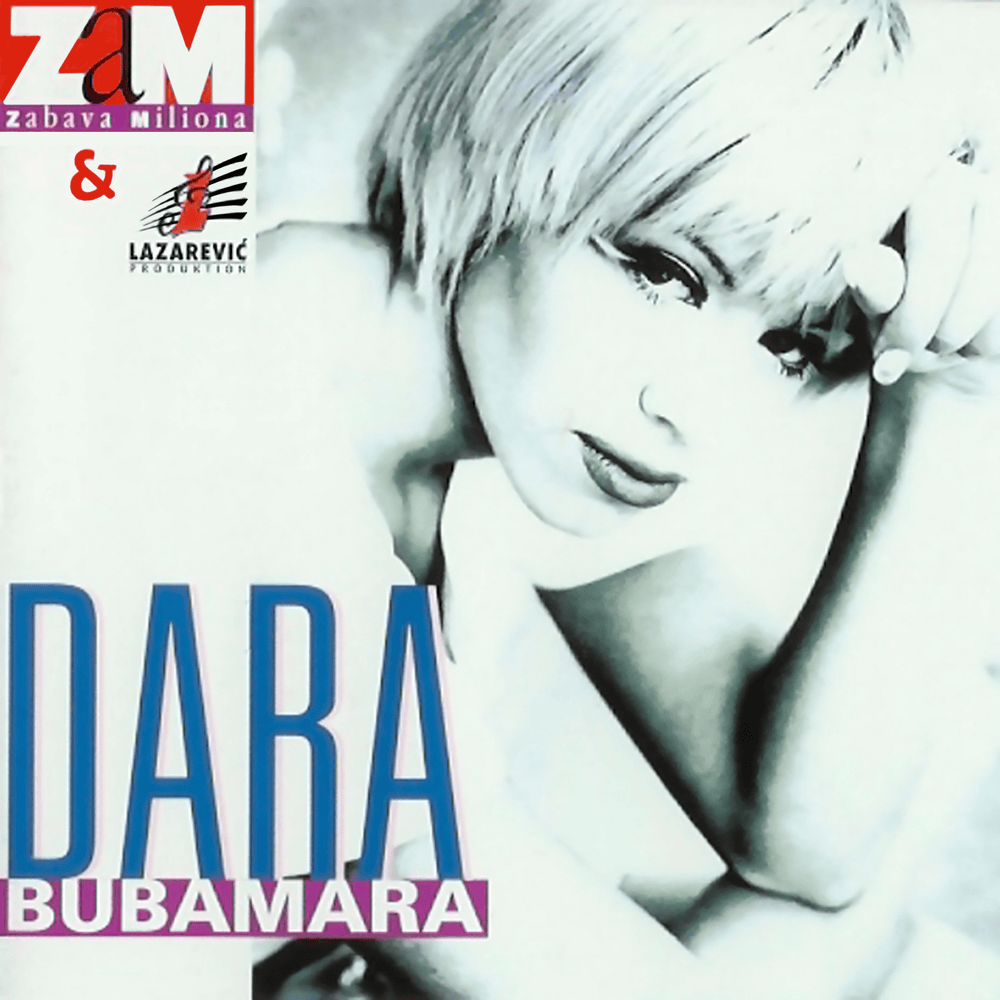
 View Artist