Song Meaning
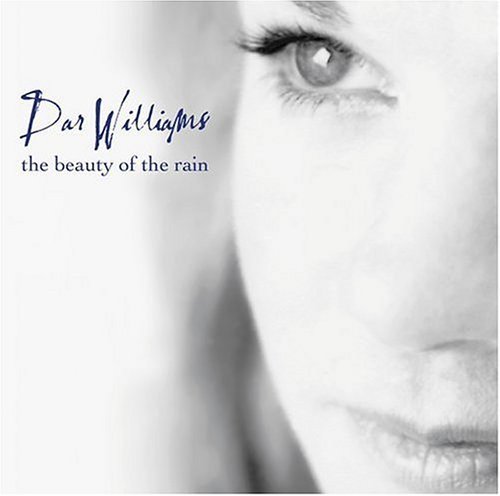
Dar Williams's "Farewell to the Old Me" isn't a simple goodbye; it’s a complex negotiation with the self. The song navigates the tension between embracing spontaneity and craving control, a push and pull familiar to anyone who's wrestled with personal growth. The opening lines, "How can I ask love to hold the mystery?/When just look at me/It's all push and pull collateral," immediately establish this internal conflict. Williams isn't just shedding a past self; she's acknowledging the inherent chaos of existence while simultaneously attempting to tame it. The desire to "plan it out this time" clashes with the admission that "things were meant to be," revealing a struggle to reconcile fate and free will.
The song's verses delve into the allure of the past, a time when meaning was found in impulsive actions and late-night adventures. The reference to dancing until "the grass was wet" evokes a sense of carefree abandon, a period when following "vital crazy thoughts" seemed the most authentic path. However, there's a subtle undercurrent of disillusionment. The line "I tried to find it every other way" suggests that this pursuit of meaning through spontaneity ultimately proved insufficient. This is not a lament for lost youth, but a pragmatic assessment of its limitations. The repeated chorus, "Farewell to the old me/My life is working better now/It's always changing anyhow," acts as a mantra, reinforcing the decision to move forward, even if the future is uncertain. The subtle shift from "getting better" to "working better" underscores the effort involved in this transformation.
The final verse reveals a desire for validation, a yearning to be seen not just for one's charm or humor, but for one's potential. "I don't wanna be the one who makes you laugh out loud/I wanna make you proud" speaks to a deeper need for recognition and respect. This isn't about abandoning authenticity altogether, but about consciously shaping one's identity to align with a more mature and fulfilling vision. The repetition of "Farewell" at the song's close emphasizes the finality of this decision, a resolute step away from the impulsive, unpredictable self and toward a more deliberate, purpose-driven existence. Ultimately, the song's meaning resides in the bittersweet acceptance of change and the courageous pursuit of a better, if perhaps less wild, version of oneself. Dar Williams captures the essence of growth as a process of both letting go and reaching forward.
 View Artist