Song Meaning
The lyrics open with a mantra of reassurance, "大丈夫大丈夫" (Daijoubu, daijoubu - It's okay, it's okay), immediately contrasted by the chaos of "大渋滞" (Daijuutai - Big traffic jam) in both words and heart. This sets up a central tension: the struggle between a desire for normalcy and the internal messiness of the narrator. They describe themselves as a mix of all colors, "絵の具の端から端まで" (Enogu no hashikara hashimade - From one end of the paint to the other), suggesting a complex, perhaps overwhelming, identity that feels inherently incomplete. This self-perception leads to a feeling of being a "半端モン" (Hanpa mono - Half-baked person), incapable of achieving anything significant.
The core of the song lies in the narrator's disillusionment with self-help or simple affirmations. The "おまじない" (Omajinai - Charm/spell) is repeatedly dismissed as a mistake, a false hope that offered no real salvation. They admit to having "縋っていたんだ" (Sugatte itanda - Clung to it), revealing a past reliance on these empty promises. This disillusionment culminates in a decisive break: "今日でおわりにしよう" (Kyou de owari ni shiyou - Let's end it today), a declaration to kill off the past self and stop the "なんとなく" (Nantonaku - Aimlessly) existence.
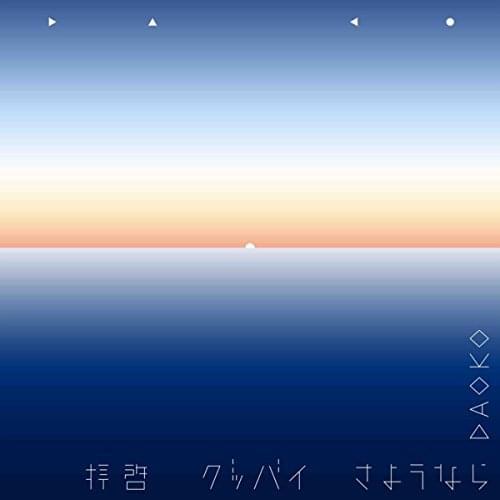
The most striking craft element is the stark, almost violent, imagery of self-annihilation used to signify rebirth. The repeated phrase "拝啓グッバイさようなら" (Haikei goodbye sayonara - Dear goodbye, farewell) is paired with "昨日のボクは殺した" (Kinou no boku wa koroshita - I killed yesterday's me) and later, "昨日のボクは彼方へ" (Kinou no boku wa kanata e - Yesterday's me to the distance). This isn't a gentle transition; it's a forceful severing. The act of stopping breath, "息の根を止めて" (Iki no ne o tomete - Stop the root of breath), is used twice, emphasizing the finality of this internal execution before a "あたらしい朝" (Atarashii asa - New morning) can arrive.
This lyrical approach is effective because it acknowledges the profound difficulty of self-transformation. The narrator's journey isn't about finding external solutions but about recognizing the futility of past coping mechanisms and enacting a radical internal shift. The contrast between the initial self-soothing and the eventual declaration of killing the old self highlights a hard-won, albeit painful, self-awareness. The final lines, "あたらしい朝とボク / ここにいるよ" (Atarashii asa to boku / Koko ni iru yo - The new morning and me / I am here), offer a fragile but determined sense of presence, grounded in the act of radical self-redefinition.
 View Artist