Song Meaning
The lyrics of "Cinderella Step" paint a picture of a love that embraces imperfection, finding beauty in flaws and a shared sense of being incomplete. The narrator declares an unconditional love for a partner described as "the worst" (最低なきみ), admitting to an irrational desire to believe their "lies" (きみの嘘). This isn't a fairytale romance; it's a conscious choice to love someone despite their shortcomings, finding solace in their shared brokenness. The repeated "Shararanla" and the titular "Cinderella step" suggest a whimsical, perhaps slightly melancholic, dance through this unconventional love.
The central tension lies in the narrator's desire to hold onto this present love, even as they acknowledge the impossibility of recapturing past feelings or returning to a previous state. They explicitly state, "I can no longer feel it like 'back then'" (もう感じられないよ), yet insist, "There are feelings I can only feel now" (今しか想えない想えない想えない気持ちがある). This creates a poignant push and pull between nostalgia and the fierce embrace of the current moment, a commitment to a love that exists uniquely in the here and now, even if it feels like a desperate flight.
A striking element is the recurring theme of escape and shared secrecy, framed through fairy tale imagery. Phrases like "escape together" (きみと逃避行) and "Let's make it a secret, forever" (秘密にしよう いつまでも) highlight a desire for a private world, a "transparent accomplice" (透明共犯者). The "Cinderella" motif, with its midnight curfew, is subverted; the narrator is "okay, okay, I can go home" (平気 平気 帰れるよ), suggesting a self-awareness that this isn't a literal fairy tale but a chosen reality. The "ark" (方舟) metaphor further emphasizes a sense of shared survival and refuge.
Ultimately, the effectiveness of these lyrics stems from their raw honesty about loving someone flawed and the quiet determination to build a unique happiness from that foundation. The narrator finds a profound beauty in their partner, stating, "To be able to love this terrible world / I came to like you, the one person" (ひどい世界も愛せるように / きみというひと好きになったよ). It's this transformation, the idea that love itself can make the world and the beloved beautiful, that resonates deeply, offering a vision of love as an active, imperfect, yet deeply cherished choice.
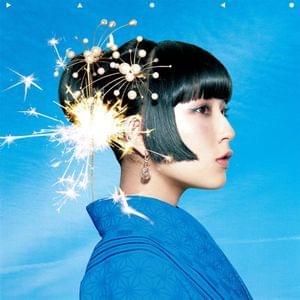
 View Artist