Song Meaning
The lyrics paint a stark, almost primal picture of existential despair. The insistent repetition of "Dying, dying, dying" immediately establishes a tone of grim finality. It’s not a gentle fading; it’s a forceful declaration that someone, or perhaps something, is fundamentally amiss. The opening lines aren't a question, but a pronouncement: "You should be dying." This suggests a state of being so devoid of life or purpose that death seems like the only logical or fitting conclusion.
The central tension arises from the contrast between the physical act of living and the absence of any vital spirit. The narrator observes someone who "wander[s] among / The living ends," a phrase that evokes a sense of being trapped in a liminal space. There's a profound lack of forward momentum, captured by "No hope for tomorrow" and "No desire to breathe." This isn't just sadness; it's a profound apathy that renders existence itself a hollow performance.
The most striking aspect is the almost detached, observational quality of the pronouncement. The narrator isn't necessarily expressing anger or pity, but a cold assessment of a state of being. The phrase "When the night sets still / When the moon calls your name" adds a touch of eerie, almost supernatural atmosphere, as if this profound emptiness is a condition recognized by the natural world itself. It’s as if the universe itself is acknowledging this lack of vitality.
Ultimately, the power of these lyrics lies in their unflinching portrayal of a soul-deep exhaustion. The repeated, almost chant-like insistence on dying, coupled with the imagery of aimless wandering and extinguished desire, creates a potent sense of dread. It’s effective because it bypasses complex narrative and hits directly at a fundamental feeling of being fundamentally out of sync with life itself.
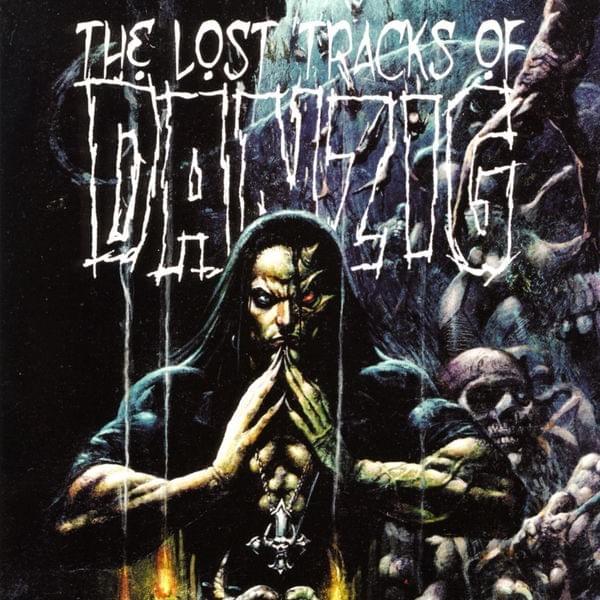
 View Artist