Song Meaning
The narrator directly confronts someone, repeatedly stating "I know your lie." This isn't a gentle accusation; it's a firm declaration of awareness, setting a tone of judgment and finality. The immediate repetition hammers home the certainty of this knowledge, suggesting a deep understanding of the other person's deception.
The core tension arises from the contrast between the deceiver's outward appearance and their internal reality. The lyrics suggest the person is "so alone" and their "fall is all too true," implying their fabricated world is crumbling. The "laugh is all on you" line hints at a bitter, self-inflicted irony in their situation, a consequence of their own actions.
The writing uses stark, almost transactional language to describe the downfall. Phrases like "Bled yourself too long," "Payment now come due," and "The master calls the hand" create a sense of inevitable reckoning. It's as if the deceiver has been playing a game with high stakes, and the narrator is simply observing the final, unavoidable loss.
This directness and the imagery of a collapsing, self-made world make the lyrics hit hard. The narrator isn't just pointing out a lie; they're detailing the precise, isolating consequences of that deception. The repeated refrain acts like a gavel strike, confirming the judgment and leaving no room for defense.
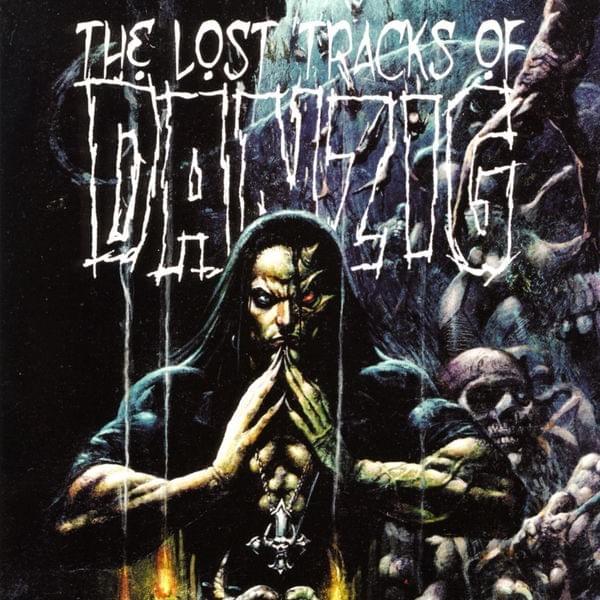
 View Artist