Song Meaning
Danny Elfman's "Into the Garden" is a dizzying plunge into the psyche, a sonic hallucination rendered in the bright, unsettling colors of a child's fever dream. It's an invitation to a tea party that quickly reveals itself as something far more sinister, a psychological trap baited with saccharine pleasantries. The surface whimsy barely conceals a desperate clinging to connection and a barely-veiled threat lurking beneath. The repetition of "some tea, some tea" feels less like hospitality and more like a mantra, a spell cast to ensnare Alice and keep her within the garden's boundaries. Elfman masterfully uses the framework of the familiar children's tale to explore themes of forced belonging and the insidious nature of manipulation.
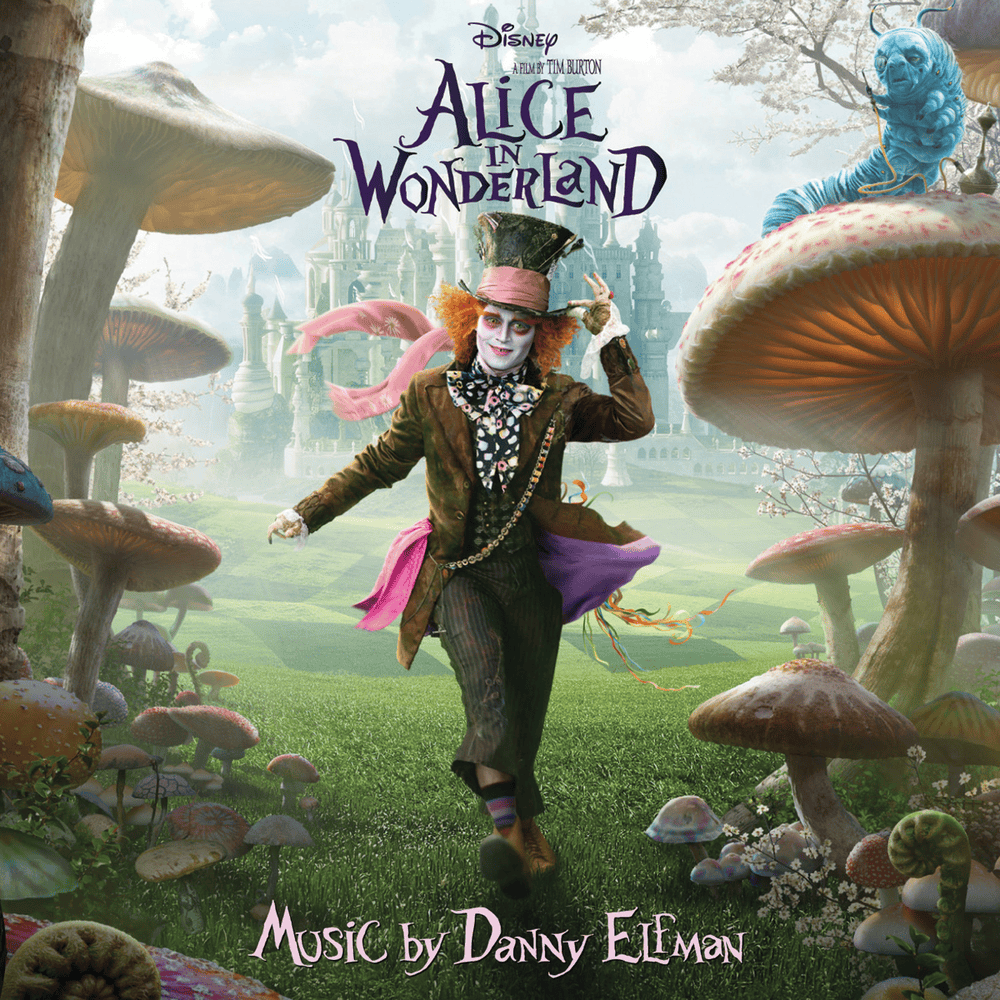
The lyrics paint a picture of a manic, almost desperate host in the Mad Hatter, whose insistence on Alice's presence devolves into weeping when she attempts to leave. The laughter, punctuated by the chilling "HA-HA-HA-HA," is not joyful but rather a sign of unraveling, a fragile mask over a deeper pain. The phrase "voices all aray" suggests a fractured mind, a chorus of conflicting desires and anxieties vying for control. The garden itself becomes a metaphor for a state of mind, a place where logic and reason are abandoned in favor of chaotic, emotional impulses. The repeated assurance that "we are all your friends" rings hollow, a coercive tactic designed to stifle Alice's agency.
Ultimately, "Into the Garden" functions as an allegory for the struggle to maintain individuality in the face of overwhelming pressure to conform. Alice's refusal to stay, her insistence on leaving the seemingly idyllic but ultimately suffocating garden, represents a triumph of self-preservation. The Mad Hatter's sly grin and parting words, "we are all in the garden," hint at a more profound and disturbing truth: that the garden exists not as a physical place, but as a state of mind, a shared delusion that threatens to consume anyone who dares to enter. The song leaves us with a lingering question: what price are we willing to pay for belonging, and at what point does friendship become a form of imprisonment?
 View Artist