Song Meaning
The lyrics paint a picture of profound personal transformation, moving from a state of deep loneliness to one of self-sufficiency and liberation. Initially, the narrator felt lost, "didn't know my calling," and was "so lonely." This isolation seems to have been a catalyst, pushing them toward a realization that true fulfillment wasn't dependent on external validation or companionship. The repeated phrase "Now I know what's better on my own" acts as a central thesis, marking a definitive shift in perspective.
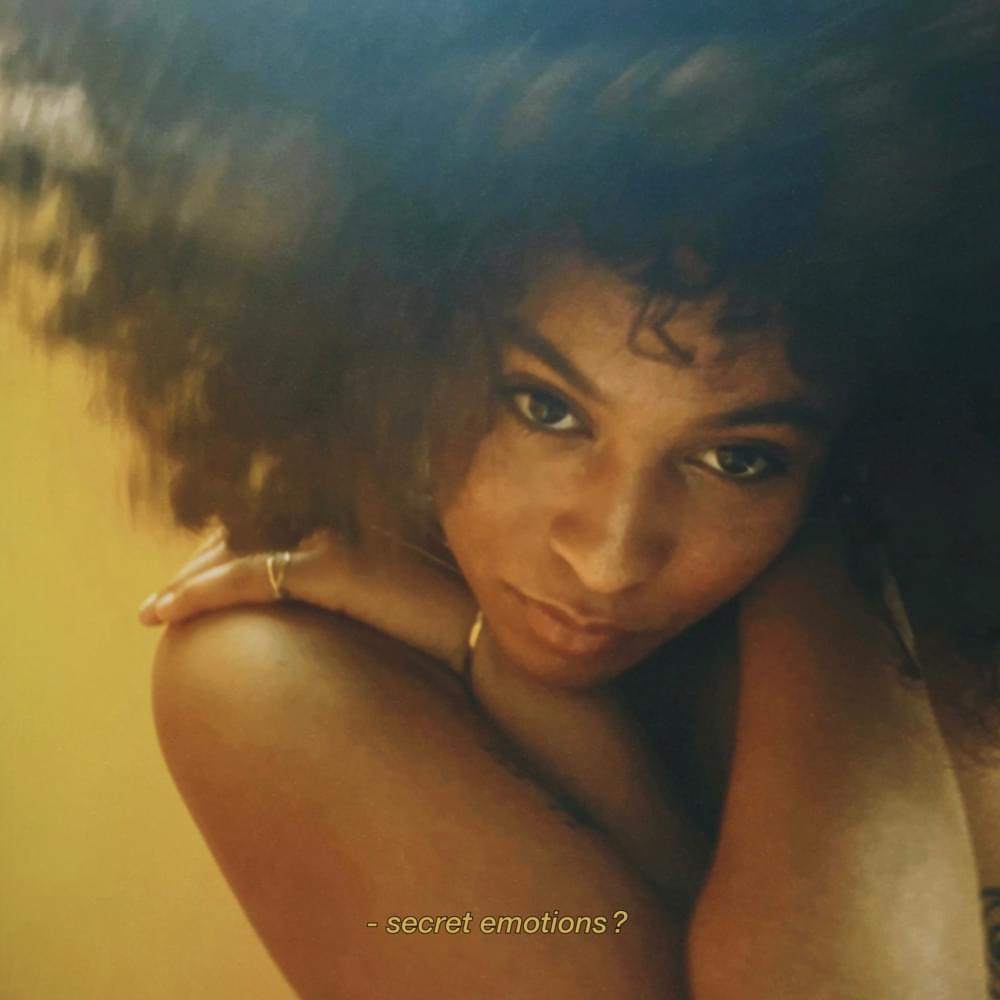
The core tension lies in the contrast between past loneliness and present self-possession. The narrator actively "rid myself of poison" and "watered all my flowers," suggesting a deliberate process of healing and self-cultivation. This internal work is what leads to the "dawning" of their purpose and the discovery of "secret emotions" that are now embraced rather than hidden. The idea of freedom is presented as multifaceted – personal, shared, and ultimately, a state achieved through self-love and self-care.
The most striking craft element is the recurring motif of "freedom" presented in a cascading structure: "My freedom / Your freedom / Our freedom." This progression suggests that achieving personal liberation naturally extends outward, influencing how one relates to others and the world. The repeated instruction, "Give it love / You can fill your own cup," functions as an anthem of self-nurturing, emphasizing that internal resources are abundant and can be replenished independently. This self-reliance is the foundation of their newfound "liberated" state.
Ultimately, these lyrics resonate because they articulate a powerful journey of self-discovery and empowerment. The imagery of "watering flowers" and "sprouting roses" provides a gentle, organic metaphor for personal growth, while the direct declarations of independence feel earned through the preceding narrative of overcoming loneliness. The song effectively captures the quiet strength found in embracing one's own company and finding joy within, a sentiment that feels both deeply personal and universally aspirational.
 View Artist