Song Meaning
The lyrics paint a stark picture of isolation and existential dread, set against a backdrop of seemingly mundane distractions. The opening lines, "Ouve o som, então, tom / Tudo vai durar / Só eu passo, só eu morro," immediately establish a sense of personal crisis amidst a world that appears indifferent or unaware. The plea "Socorro / No meio do mar" powerfully conveys a feeling of being lost and overwhelmed, adrift in a vast, uncaring expanse.
The central tension arises from the contrast between a precarious existence and a forced sense of normalcy. The narrator observes, "Nós vivemos de brisa / E a cada mês tudo nos falta / Na medida exata," suggesting a life perpetually on the edge of scarcity, yet managed with a precise, almost calculated, lack. This is juxtaposed with the chorus's detached observation, "Tudo certo, tranquilo / Toca isso e aquilo / Ouve cry of love / Enquanto o mundo se move," highlighting a disconnect between internal turmoil and external superficiality.
The lyrics employ a striking image of distance and separation, particularly in the lines "Que mundo é esse o seu? / Mar afora / Tão longe você e eu." This geographical separation, "Mar afora" (out at sea), becomes a metaphor for emotional and relational distance. The narrator’s own feelings of inadequacy and struggle are evident in "Os fracassos são nove / Eu vou fazendo o que posso," further emphasizing the gulf between their reality and the perceived ease of others.
Ultimately, the effectiveness of these lyrics lies in their raw portrayal of vulnerability and the quiet desperation of feeling alone. The narrator’s plea for connection, "Me escreve algo, me avisa / Me acerte logo às sete," is a fragile attempt to bridge the vast distance, underscored by the poignant confession that "só o sol me dá remorso." This suggests a deep-seated unease, a feeling of being exposed and judged by the very natural world that surrounds them, amplifying the profound sense of isolation.
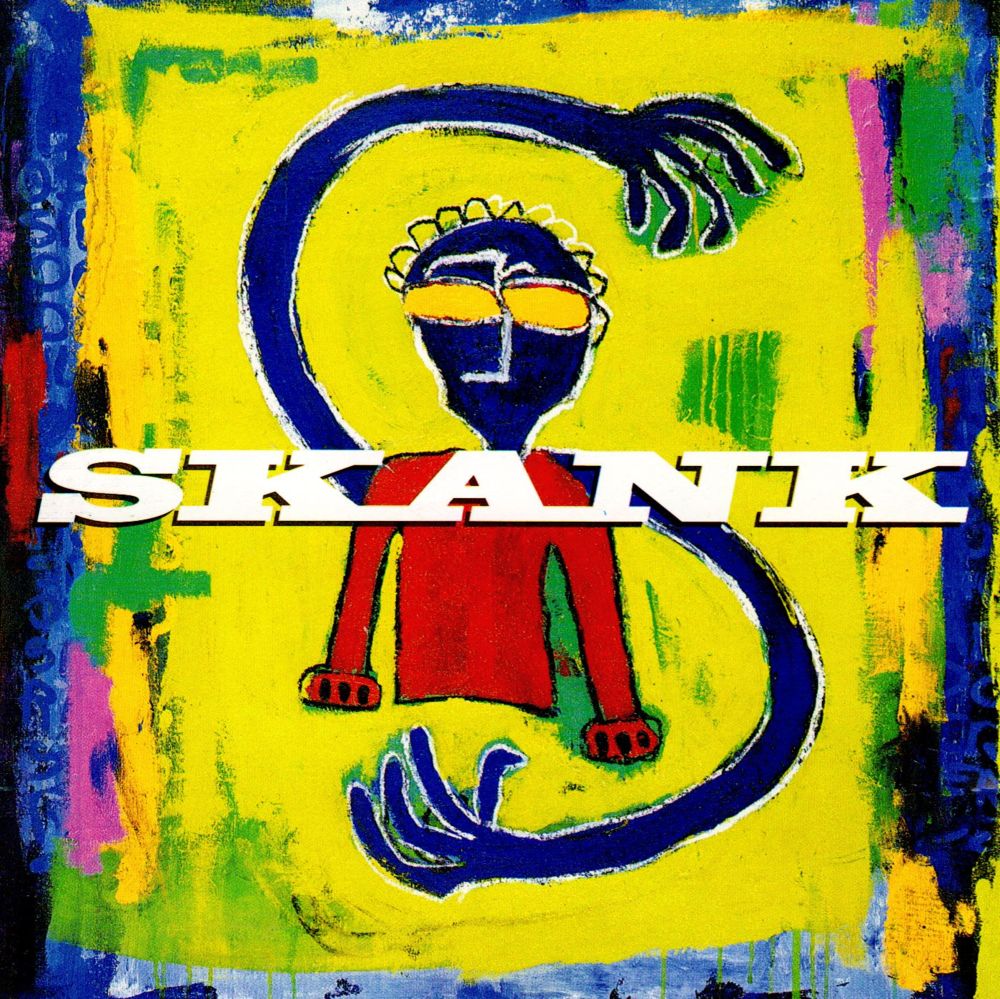
 View Artist