Song Meaning
The lyrics paint a picture of a relationship stuck in a peculiar kind of parallel existence. The narrator observes a shared horizon, a common goal perhaps, but emphasizes the distance: "Insieme magari ma stando di fronte" (Together maybe but standing in front of each other). This physical positioning, the lyrics suggest, leads to a breakdown of connection, "Così ci impalliamo e si rompe l'incanto" (So we freeze up and the spell breaks). The core tension lies in the missed opportunity for genuine closeness, for "amarsi di fianco" (loving each other side-by-side).
The central conflict emerges from a fear of vulnerability, a tendency to hold back even while ostensibly together. The narrator muses on the courage it would take to "lasciarsi la mano" (let go of each other's hand), implying a reliance on other, perhaps less intimate, forms of reassurance. This creates a poignant contrast: embracing life with one hand while clutching one's own fingers with the other, "Dall'altro stringiamo le dita" (With the other we clench our fingers). It's a powerful image of self-protection hindering true connection.
The most striking element is the anecdote about the two friends who loved "di schiena" (from the back). This extreme example highlights the destructive nature of unspoken assumptions and the safety found in distance. Each friend believed the other was fine, "E invece piangevano che pareva piovesse" (Instead they were crying as if it were raining). This illustrates how perceived security can mask profound sadness and isolation, a consequence of avoiding direct emotional engagement.
Ultimately, the lyrics resonate because they articulate a subtle but pervasive form of relational failure. The fear of opening a door, of confronting what lies beyond it, is palpable. The narrator's own experience, "Puoi scoprire che l'altro non c'è..." (You might discover the other isn't there...), serves as a stark warning. This fear of absence, paradoxically, creates the very emptiness it seeks to avoid, leaving individuals "divisa da un muro" (divided by a wall) or "da dietro la porta per stare al sicuro" (from behind the door to be safe).
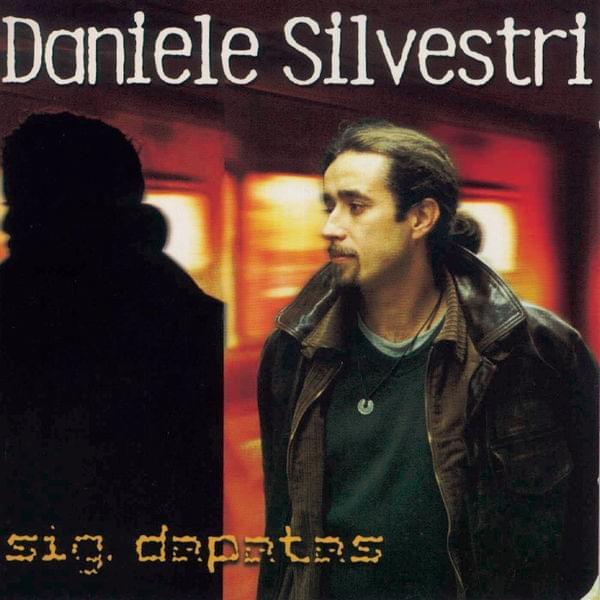
 View Artist