Song Meaning
The lyrics open with a stark denial, "It wasn't true / That it was over." This immediately sets a tone of unresolved tension, suggesting a past event that the narrator refuses to accept as final. The act of catching and weighing a "rejection" implies a deliberate, almost physical engagement with the pain of being turned away. This rejection is then suspended, mirroring the narrator's own held breath, creating a powerful sense of stasis and anticipation.
The central conflict seems to revolve around the nature of truth and memory, particularly in the face of endings. The narrator grapples with the idea that "in the end / You can not say / You can lie / For the greater good." This suggests a willingness to manipulate reality, perhaps to preserve a version of events or a feeling that is more palatable than the harsh truth. The comparison to a photograph, freezing a single moment and rendering all that comes after as "not happened," underscores this desire to control the narrative and escape the consequences of time.
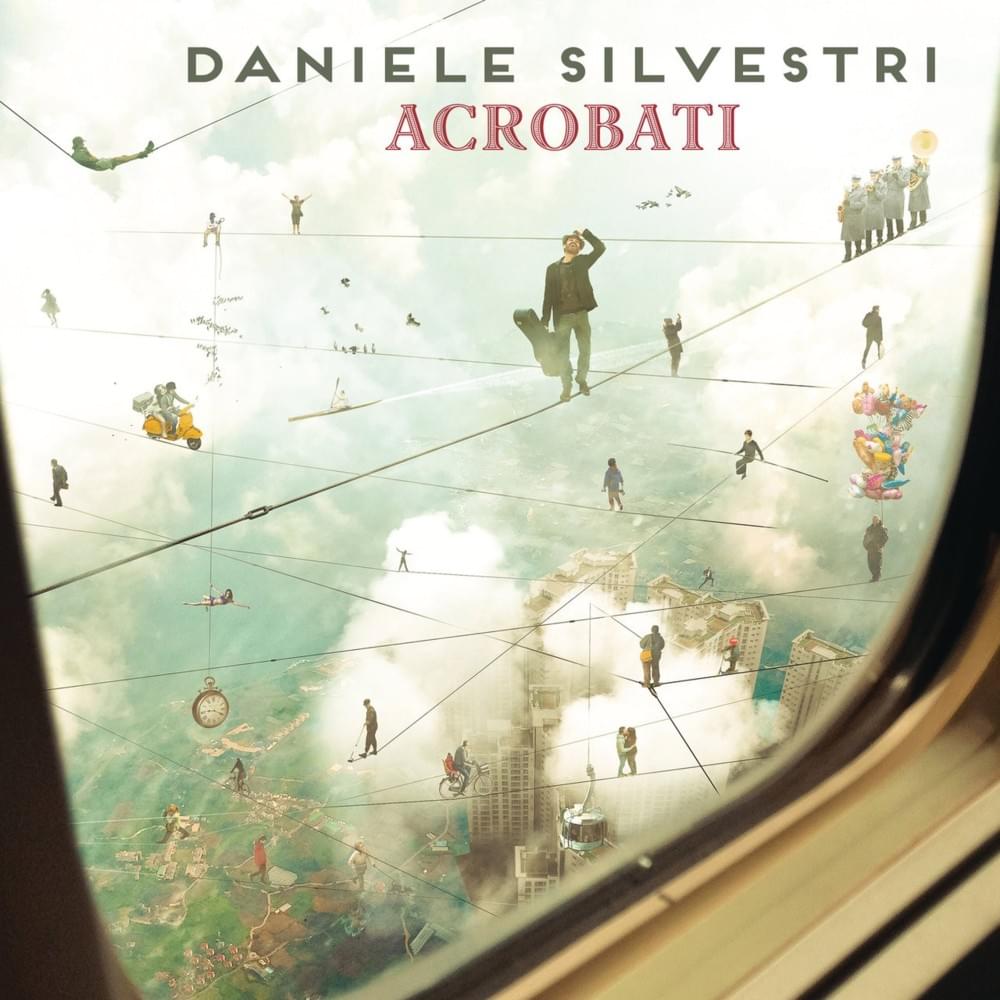
The most striking craft element is the recurring motif of suspension and stillness. The rejection is "suspended," breath is "suspended," and a photograph "freezes" a moment, preventing subsequent events from occurring. This deliberate use of arrested motion powerfully conveys the narrator's internal state – a refusal to move forward, a clinging to a specific point in time. The final, repeated word "Guarda" (Look) from an unseen observer "from above" adds an unsettling layer, hinting at a judgment or a detached perspective on this self-imposed stasis.
Ultimately, these lyrics resonate because they articulate a deeply human impulse: the desire to rewrite endings and control the passage of time when faced with painful realities. The careful construction around moments of suspension and the manipulation of memory creates a vivid portrait of someone caught between what was and what could be, choosing to linger in an imagined, unmoving present.