Song Meaning
The lyrics open with a stark, almost confrontational "Mizmor Le’David, al tira" – a psalm for David, do not fear. This refrain repeats, creating a sense of urgent self-address or an internal plea. The scene quickly sharpens: "At the end of the day, you are alone / The last one on the battlefield." This paints a picture of isolation and struggle, where the only opponent is oneself, as emphasized by the repeated "It's just me against you." The command to "al tira" (do not fear) feels less like reassurance and more like a desperate attempt to steel oneself against an inevitable confrontation.
The core tension resides in this internal battle and the yearning for solace. The psalm, initially presented as a directive against fear, is later redefined as "a psalm of longing." This shift suggests the struggle isn't just about facing an external threat, but a deep-seated ache for connection or peace. The imagery of a distant, idealized place – "Far, far away, there is a picture / The wall is white, a window to the garden" – offers a glimpse of escape, a sanctuary that feels both tangible and elusive.
The craft here lies in the stark contrast between the battlefield and the tranquil garden, and the repetition that hammers home the central conflict. The repeated "Mizmor Le’David, al tira" acts as a mantra, a broken promise of courage in the face of overwhelming solitude. The introduction of "Mizmor ge’gu’im" (psalm of longing) re-contextualizes the entire piece, revealing the fear not as a reaction to an enemy, but to the profound loneliness that defines the battlefield. The lyrics suggest that true peace isn't found in victory, but in reaching that distant, imagined place.
This writing is effective because it taps into a universal feeling of facing one's own internal demons. The direct address and the stark imagery create an immediate, visceral experience of isolation. The redefinition of the psalm from one of bravery to one of longing is a subtle but powerful turn, highlighting how often our greatest battles are fought within, driven by a deep desire for comfort and belonging. The final image of the garden offers a fragile hope, a destination for the weary soul.
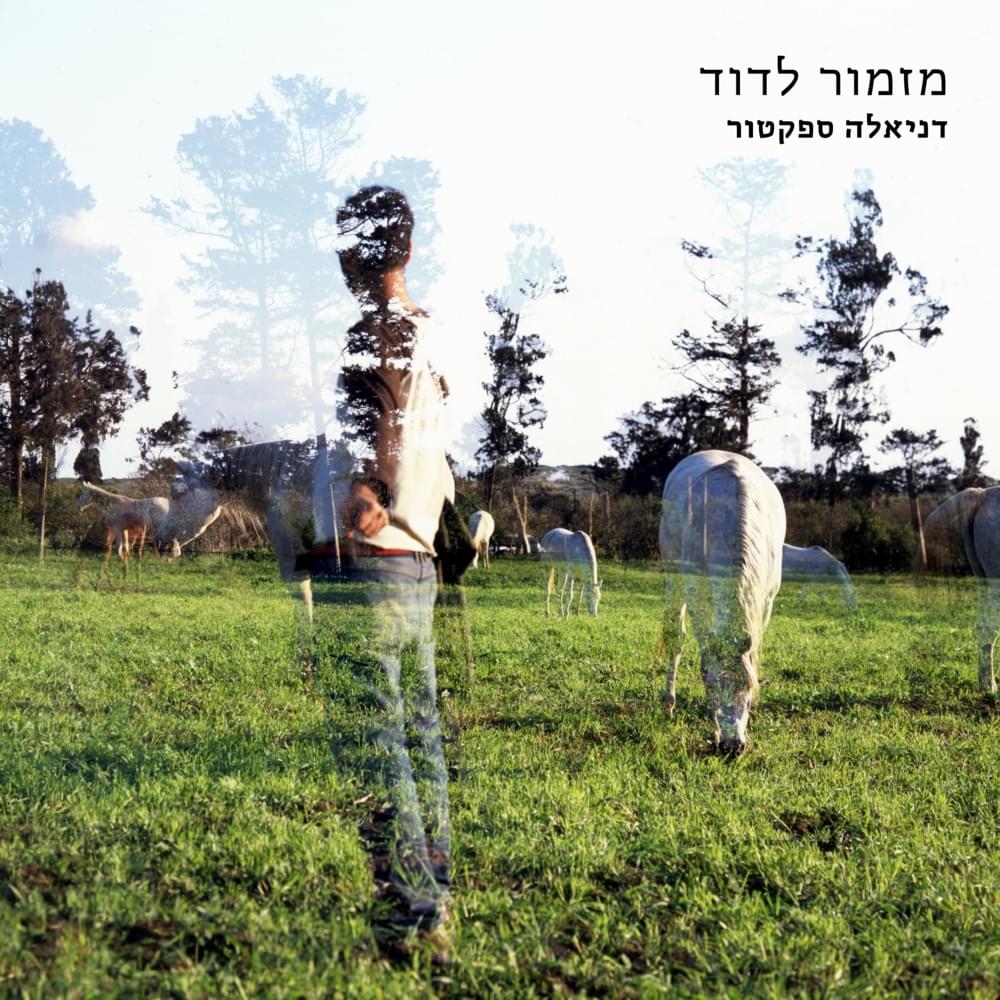
 View Artist