Song Meaning
The lyrics paint a vivid picture of two women, "nós duas nós nuas," reveling in a love that feels both spontaneous and deeply rooted. The initial lines, "nosso amor à toa / Na boa na proa / O nosso amor flutua," establish a sense of effortless, buoyant affection, as if their love is a ship sailing smoothly on calm waters. This feeling of secure, unburdened connection is reinforced by the declaration, "Sou tua só tua," emphasizing a profound sense of belonging and devotion between them. The recurring image of their "voz ecoa" suggests their shared feelings and presence resonate powerfully, even amidst external elements like "Garoa trovoa" (drizzle and thunder), which they face "não recua" (do not retreat).
The central tension lies in the contrast between external forces and their internal sanctuary. While the world outside might present challenges, symbolized by the "garoa trovoa" and the "mal educado / Tapa na cara" (rude slap in the face) of their assertive love, the couple remains steadfast. They describe themselves as "imunes corpos fechados / Abertos só pro amor," highlighting a protective shell around their relationship, permeable only to their shared affection. This mutual defense makes their bond feel sacred and unbreakable, as "O que nos une é o mais sagrado / Ninguém separa."
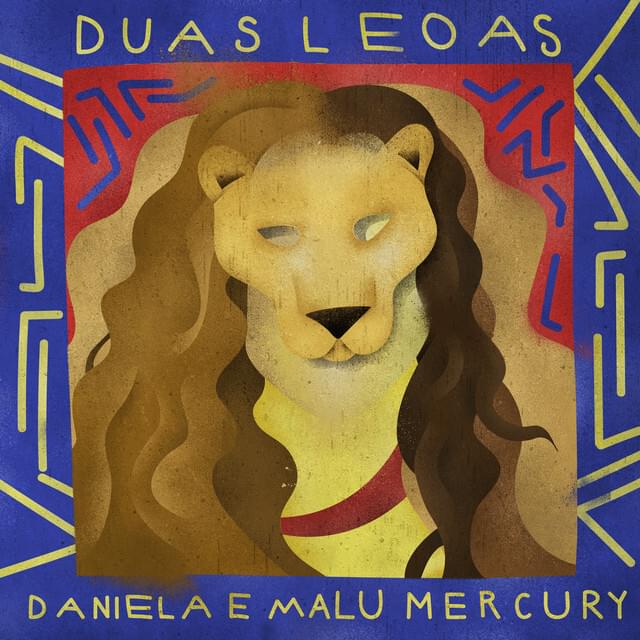
The most striking craft element is the potent imagery of "leoa" (lioness) woven throughout the latter half. This powerful metaphor elevates their love from a gentle float to a fierce, untamed force. The repeated "leoa, leoa, leoa" transforms the song into an anthem of their shared strength and protective love. The specific geographical anchor of "Gamboa, Lisboa" grounds this powerful emotion in a tangible place, suggesting that this love has found its home and will "nunca mais sozinha" (never be alone again). The fusion of "perfumes já misturados / São multicor" further illustrates a deep, complex intimacy where their individual essences have blended into something vibrant and unique.
Ultimately, the lyrics resonate because they articulate a love that is both tender and fiercely protective. The writing skillfully balances images of gentle floating with declarations of unshakeable strength, creating a powerful emotional arc. The embrace of their love's assertive, even "mal educado" nature, coupled with the potent "leoa" metaphor, makes this a declaration of a love that is not only accepted but celebrated for its raw power and resilience. It’s a testament to finding a sanctuary where one can be completely vulnerable yet utterly defended.