Song Meaning
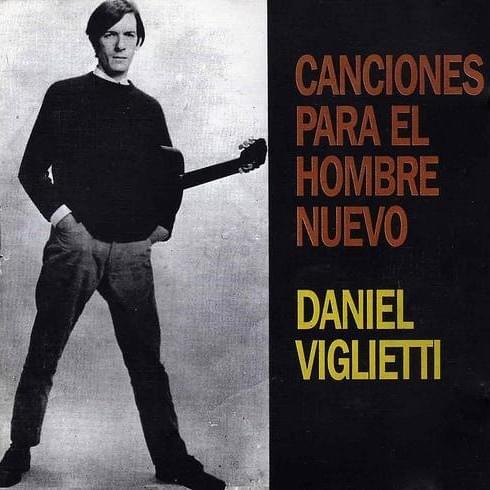
This song paints a stark, almost primal picture of collective creation. The repeated phrase "Lo haremos tú y yo" (We will do it, you and I) establishes a sense of shared purpose, a determined pact to forge something new. The initial imagery of taking "arcilla" (clay) for the "hombre nuevo" (new man) suggests a fundamental, almost elemental act of building from scratch, a deliberate shaping of a future being.
The core tension lies in the violent means proposed for this new creation. The "hombre nuevo" will have "por brazo, un fusil" (for an arm, a rifle) and "una bala asomada" (a bullet peeking out) alongside "la idea" (the idea). This juxtaposition of revolutionary ideals with instruments of war reveals a vision where liberation is inextricably linked to armed struggle. The "grito escondido" (hidden cry) within love itself hints at suppressed desires or grievances that will fuel this violent rebirth.
The lyrics employ a powerful, almost ritualistic repetition and parallelism to drive home their message. The structure of presenting paired elements – arm/rifle, light/gaze, idea/bullet, love/cry – creates a relentless, marching rhythm. This deliberate construction emphasizes the totality of the transformation, leaving no aspect of the new man untouched by the revolutionary fervor. The "tableteo" (rattling) that announces glory is a visceral sound, grounding the abstract concept of victory in a concrete, percussive image.
Ultimately, the effectiveness of these lyrics stems from their unflinching portrayal of a revolution as a violent, all-consuming act of creation. By grounding the abstract "hombre nuevo" in specific, often brutal imagery like the rifle and the bullet, the song creates a potent and unsettling vision of a future born from conflict. The final image of the "guerrillero" (guerrilla fighter) as the heart of this new man solidifies the idea that this is not a gentle evolution, but a forceful, deliberate construction forged in the crucible of struggle.
 View Artist