Song Meaning
The lyrics paint a picture of a complicated love triangle, where the narrator is confessing a deep, unexpected connection with someone who is already intimately involved with another person. The opening lines immediately establish a sense of confusion and shared intimacy: "I can't even tell you apart." This isn't about physical resemblance, but a deeper, almost spiritual merging of the two people the narrator is observing. The narrator acknowledges the existing bond, apologizing for their feelings while simultaneously expressing a desire for the other person to understand their perspective by "see what it's like in her shoes."
The central tension arises from the narrator's undeniable feelings for someone who is already deeply committed. The phrase "You've always been with her" acts as a constant refrain, highlighting the established nature of that relationship. It suggests a history and a level of understanding that the narrator can only observe from the outside. The narrator's apology, "I'm sorry, my darling," is directed at the person they are observing, but the subsequent lines, "My heart is with her now / And that's where my heart's gonna stay," reveal a profound shift. The narrator's heart has moved, not just towards the person they are addressing, but towards the person they are *with*.
The most striking aspect of the lyrics is the blurring of identities and the narrator's growing realization that their own past experiences are being recontextualized. The lines "She even remembers / The times that I thought were with you" are a stunning revelation. It implies that the narrator's past affections or memories were, in fact, already intertwined with this new person, even before they were consciously aware of it. This suggests that the narrator's feelings aren't a new transgression, but rather a recognition of a pre-existing, perhaps fated, connection that transcends their current understanding of who they were with.
This lyrical construction is effective because it moves beyond a simple tale of infidelity. Instead, it explores the unsettling feeling of realizing your own history has been misread, and that your heart has been drawn to someone in ways you never anticipated. The narrator's apology feels less like a plea for forgiveness and more like a bewildered acknowledgment of fate, especially with the concluding thought, "It isn't a thing we can choose." The lyrics suggest that love, in this instance, is an uncontrollable force that has guided the narrator's heart, even when it seemed to be directed elsewhere.
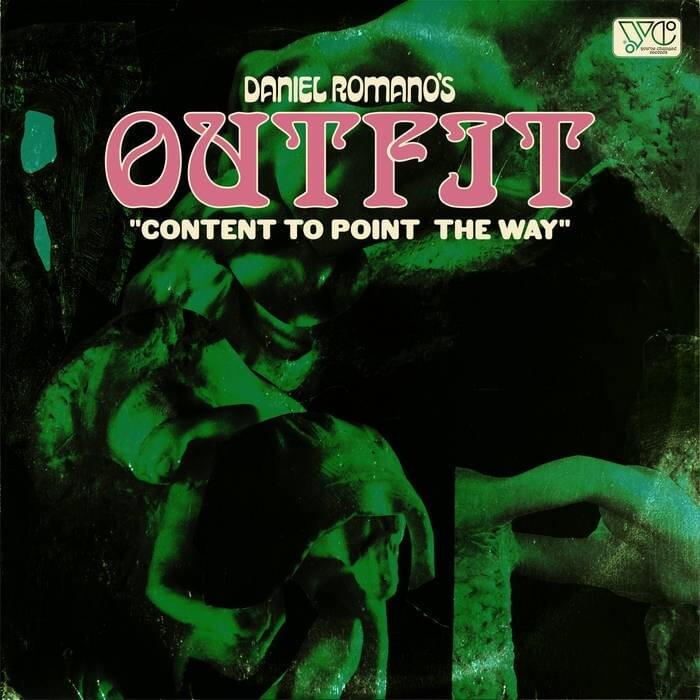
 View Artist