Song Meaning
The lyrics paint a stark, almost apocalyptic scene where beauty and danger are intertwined. The opening lines juxtapose violent "shades of the battle" with the serene "singing your grace," immediately establishing a tension between destruction and adoration. The imagery of a "man eating serpent" at sundown, with a face on its head, creates a nightmarish, mythic quality, suggesting a primal, overwhelming force associated with the object of the narrator's focus.
The central conflict emerges from the narrator's profound admiration, bordering on obsession, for someone described with immense, almost elemental power – like a "tide never touching the shore" or the vastness beneath mountains and "piles of whales." This overwhelming presence leads to the narrator's self-identification as a "coward" whose "mask is my trade." The act of hiding "your poem in a song" suggests a desperate attempt to preserve something precious and perhaps dangerous, embedding it within a less vulnerable form, while simultaneously acknowledging the narrator's own perceived weakness and subservience, singing "like a slave" on the "back of your beauty."
The most striking craft element is the persistent contrast between life and death, beauty and destruction. The beloved's "body of death" reflects "impossible lights for fools," implying a deceptive allure that masks a fatal essence. This is further emphasized by the image of men "buried in valleys" who "(?) your body in weather and wrong," suggesting past victims of this destructive beauty. The narrator's callous ride over their graves, devoid of thought, underscores the depth of their own subjugation and the all-consuming nature of their fixation, making the act of hiding the poem a desperate, perhaps futile, act of preservation amidst pervasive decay.
This lyrical construction is effective because it grounds abstract adoration in visceral, often disturbing imagery. The narrator's self-deprecation as a "coward" and "slave" isn't just emotional confession; it's a direct consequence of confronting an overwhelming, potentially lethal beauty. The repeated refrain reinforces this cycle of admiration and self-abasement, making the act of hiding the poem feel like the only recourse for a fragile self in the face of such potent, destructive allure.
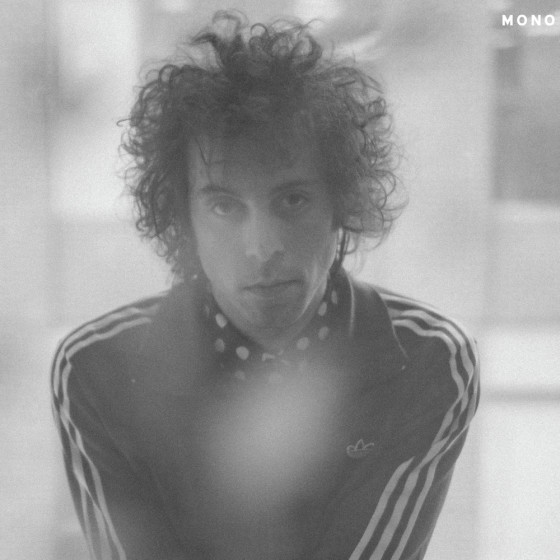
 View Artist