Song Meaning
The lyrics paint a stark contrast between two paths in life, one driven by relentless ambition and the other by a desire for personal peace. The narrator addresses someone who constantly speaks of future success, of making a fortune and reaching the moon, a recurring promise that never seems to materialize. This persistent talk of 'sommet' (summits) and 'succès' (success) is met with a detached observation: "Vas-y mon vieux et nous on te regarde aller" (Go ahead old man, and we watch you go). It suggests a weariness with this cycle of unfulfilled promises.
The core tension lies in the narrator's rejection of this pursuit. They plead, "Laissez-moi loin de vos jeux" (Leave me far from your games), preferring their own 'amours' and a life away from the city's hustle. The repetition of "Laissez-moi" (Leave me) emphasizes a firm boundary being drawn. The narrator feels they've already committed too much to their chosen path to turn back, "suis rendu trop loin pour faire demi-tour" (I'm too far now to turn back).
The most striking element is the ironic questioning of wealth and gain. The narrator asks, "Si je joue à qui perd gagne / Qui sera plus riche qu'avant ?" (If I play at 'who loses wins' / Who will be richer than before?). This rhetorical question challenges the very definition of richness, implying that the pursuit of conventional success might actually lead to a loss of something more valuable. The repeated, almost chanted phrase "La vie de ville / La vie de vie de ville" (City life / The life of city life) becomes a refrain of disillusionment, highlighting the emptiness the narrator perceives in that lifestyle.
Ultimately, the lyrics resonate because they articulate a quiet rebellion against the societal pressure to constantly achieve and accumulate. The narrator finds their richness not in external validation or material gain, but in a chosen solitude, symbolized by the 'montagne' (mountain) and the 'vent' (wind). This personal contentment, contrasted with the endless, perhaps hollow, striving of the other, offers a compelling alternative vision of a life well-lived.
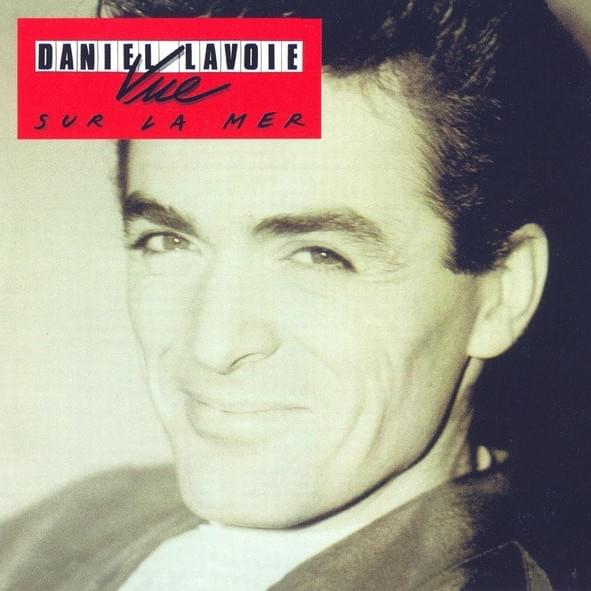
 View Artist