Song Meaning
This track opens with a seemingly idyllic beach vacation, a "pays des nuages" where the narrator anticipated finding wisdom. However, this tranquility shatters as the "mer s'est levée," sinking boats tied to the docks. This immediate shift from peace to destruction sets a tone of unexpected upheaval, hinting that even serene settings can harbor hidden dangers or emotional storms.
The core tension emerges from contrasting reactions to this chaos. While the narrator recalls a partner laughing "aux éclats" during a storm, they themselves were "chantais tout bas," suggesting a fundamental difference in how they process or perceive turmoil. This divergence is further illustrated by the whimsical, yet ultimately futile, image of catching a whale with a "ficelle de laine," a metaphor that seems to represent an impossible or ill-fated endeavor, leaving the "la ficelle à l'eau."
The lyrics masterfully employ imagery of nature's power and domestic fragility. The "vent arracha des bardeaux sur le toit" paints a picture of external forces battering a home, while the repeated "Je n'entends pas" suggests a deliberate or overwhelmed withdrawal from the escalating situation. This creates a sense of isolation amidst shared experience, a quiet refusal to engage with the encroaching problems.
Ultimately, the song captures a feeling of being tethered to a situation or relationship that is unraveling, despite another's desire to "s'enchaîne." The narrator's "horreur des galères," especially "celles du roi," points to a weariness with grand, perhaps imposed, struggles. The effectiveness lies in its ability to evoke a specific, almost surreal, sense of dread and detachment through vivid, contrasting images of nature's fury and personal retreat.
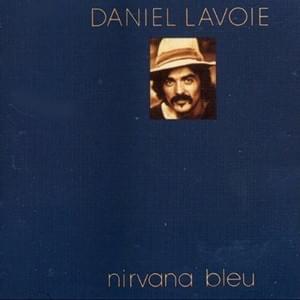
 View Artist