Song Meaning
The lyrics paint a stark, desolate scene under a high moon, where nature itself seems to be losing its way. A night bird sings of solitude, a wolf prowls, and lifeless eyes watch the clouds drift by. This opening sets a somber, almost apocalyptic mood, hinting at a world in transition or decay. The imagery of a "wind running to its loss" and "lifeless eyes" immediately establishes a sense of profound emptiness and disorientation.
The narrative then shifts to suggest a radical new beginning, a "new time." The old struggles – "deaths in the gutters," the monotonous "metro, boulot, dodo" (subway, work, sleep) – are declared over. This new era is marked by disruption: trains and planes will no longer be on time, and the "players" of the rules have changed without warning. It’s a world where the established order has collapsed, replaced by uncertainty and a palpable sense of unease.
The most striking element is the juxtaposition of this grand societal shift with intensely personal, grim details. A "voice cries in the night," lamenting that "life languishes." The final stanza brings this into sharp focus with the image of "funny silhouettes" on a dark boulevard. A dog sniffs its master, who lies on the sidewalk, "mouth open," no longer hearing the wind. This final, chilling tableau grounds the abstract societal upheaval in a concrete, tragic human (or post-human) end, emphasizing the profound silence that follows the loss of life.
This writing is effective because it masterfully blends cosmic dread with intimate tragedy. The initial natural imagery creates a sense of vast, indifferent forces at play, while the specific details of the fallen figure and the grieving dog make the loss deeply felt. The lyrics suggest that this "new time" is not one of progress, but of profound, silent endings, leaving the listener with a lingering sense of sorrow and the unsettling quiet after a storm.
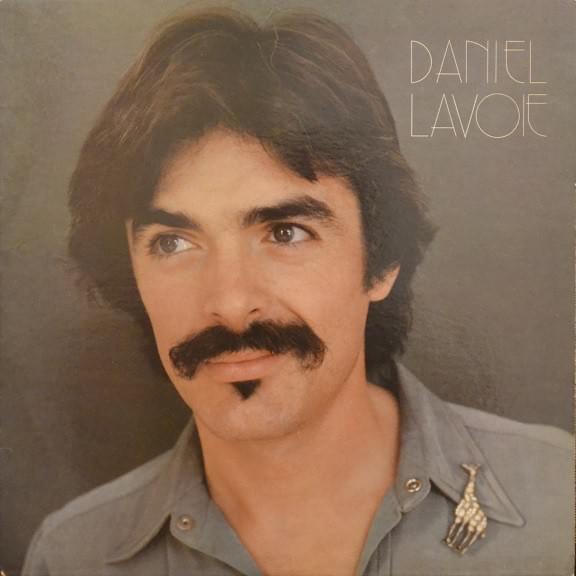
 View Artist