Song Meaning
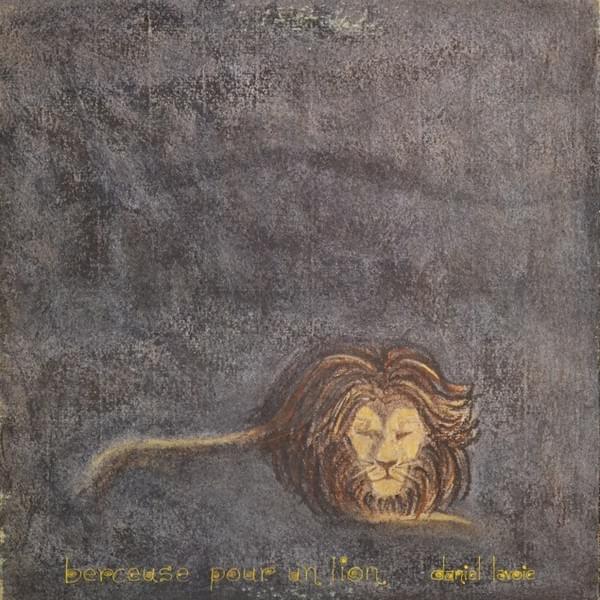
The lyrics paint a stark picture of an aging lion, trapped and unable to conceal the toll of time. There's an immediate sense of weariness, a quiet resignation to a past that shaped its present. This isn't a roar of defiance, but a sigh of profound exhaustion.
The central tension emerges from the lion's past identity. For "20 ans à jouer au gros méchant" (20 years playing the big bad guy), it maintained a formidable facade. This long performance takes on a heavier weight when contrasted with its relatively short lifespan, as "20 ans c'est long quand tu vis 30 ans" (20 years is long when you live 30 years) highlights how much of its existence was spent in this role.
The craft here is subtle but powerful. The direct address, using "tu" (you), makes the reflection deeply personal, almost an internal monologue about a life lived. Most strikingly, the lyrics present a poignant paradox: "Même si un jour t'as compris la vie" (Even if one day you understood life), this profound wisdom doesn't bring peace, as "Parfois la nuit t'arrive pas à dormir" (Sometimes at night you can't sleep).
These lyrics are effective because they tap into a universal struggle: the quiet torment that can persist even after gaining understanding. The image of the sleepless, aging lion in its cage becomes a potent metaphor for the burden of reputation, the weight of past choices, and the elusive nature of true inner tranquility.
 View Artist