Song Meaning
These lyrics grapple with the elusive nature of happiness and the enduring power of love. The speaker opens by questioning how to explain and create "tender days." This immediate sense of searching sets a contemplative, slightly melancholic tone.
The central tension arises from a persistent, external voice that declares, "happiness is not of this world." This fatalistic pronouncement is directly challenged by the narrator's unwavering conviction: "amour rime toujours avec toujours." This repeated phrase acts as a defiant, hopeful anchor, suggesting that love, unlike fleeting happiness, possesses an inherent, eternal quality.
The craft here is subtle but powerful. The recurring phrase "de ce monde-ci" (of this world) evolves from a statement about happiness to a premonition about human mortality, linking aging to a departure from earthly existence. Yet, even as life's impermanence is acknowledged, the narrator's belief that "love always rhymes with always" remains steadfast, a clever linguistic trick that makes the abstract concept of endless love feel concrete.
Ultimately, these lyrics resonate because they articulate a universal human struggle: the desire for lasting connection and joy in the face of life's inherent limitations. The simple, almost poetic language, combined with the powerful contrast between external pessimism and internal hope, makes the narrator's quiet insistence on love's permanence feel both deeply personal and profoundly moving.
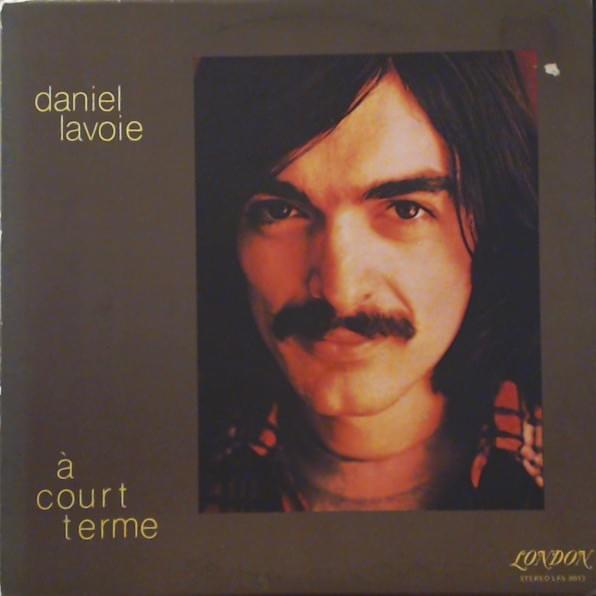
 View Artist