Song Meaning
The narrator recounts a series of desires fulfilled, from seeking support and warmth to physical intimacy and even a musical harmony. Each of these wants, stated with a confident "pis je l'ai eu" (and I got it), suggests a transactional or easily obtained satisfaction. This pattern establishes a clear expectation of reciprocity and emotional connection.
However, this expectation shatters when the narrator attempts to discuss love. The response is dismissive and mocking: "Tu dis que je suis bête et que j'ai rien compris" (You say I'm stupid and I understood nothing). This sharp contrast between the narrator's perceived success in other areas and their utter failure in achieving emotional intimacy creates the central tension.
The most striking image is the final act: "Tu me ris dans la face et t'allumes la TV" (You laugh in my face and turn on the TV). This gesture signifies a deliberate shutdown, a refusal to engage with the narrator's vulnerability. The TV becomes a barrier, a distraction, and a symbol of the emotional void between them, highlighting a profound disconnect.
These lyrics resonate because they capture the painful realization that material or physical fulfillment doesn't guarantee emotional reciprocation. The simple, declarative structure of the fulfilled desires makes the final rejection all the more stark and isolating, leaving the listener with the sting of unacknowledged feelings.
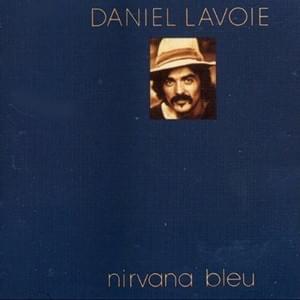
 View Artist