Song Meaning
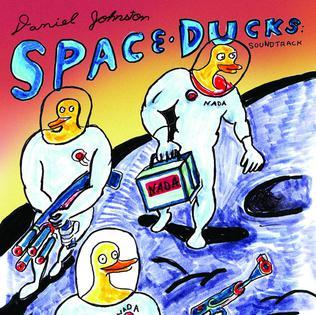
Daniel Johnston's "Space Ducks Theme Song" operates on multiple levels, masking profound anxieties beneath a veneer of childlike simplicity. On the surface, it's a superhero anthem, albeit a decidedly lo-fi one. The titular Space Ducks are warriors against "evil" and champions of "rejects," battling in both outer space and, more pointedly, Austin, Texas. This juxtaposition hints at Johnston's own struggles with mental health and feelings of alienation, projecting them onto a cosmic scale. The "war" isn't just a sci-fi trope; it's a metaphor for the internal battles fought daily by those on the fringes. The repeated plea for the Space Ducks to "fight for the freedom / Of all the little children" carries a desperate yearning for innocence and protection in a world perceived as hostile.
Delving deeper, the song's lyrics expose a raw nerve of existential dread. Lines like "It's the death of the human race" and "Destroying all the sins / So long ago / Way before time" suggest a preoccupation with apocalyptic themes and a desire for cleansing. The inclusion of "The evil of the United States" is particularly striking, revealing a distrust of authority and a sense of disillusionment. Johnston's work often grapples with themes of good versus evil, and here, that conflict is amplified by personal demons and societal anxieties. The countdown at the end provides a sense of urgency, perhaps a final, desperate plea for salvation.
Ultimately, "Space Ducks Theme Song" is more than just a quirky tune. It's a poignant expression of vulnerability and a cry for help disguised as a children's space adventure. The song's meaning resides in its ability to blend the fantastical with the deeply personal, inviting listeners to contemplate the darker corners of the human experience through the lens of Johnston's unique artistic vision. The repetition of "And when we can live again" becomes a mantra of hope amid despair, a yearning for a better world, or perhaps, a better state of mind.
 View Artist