Song Meaning
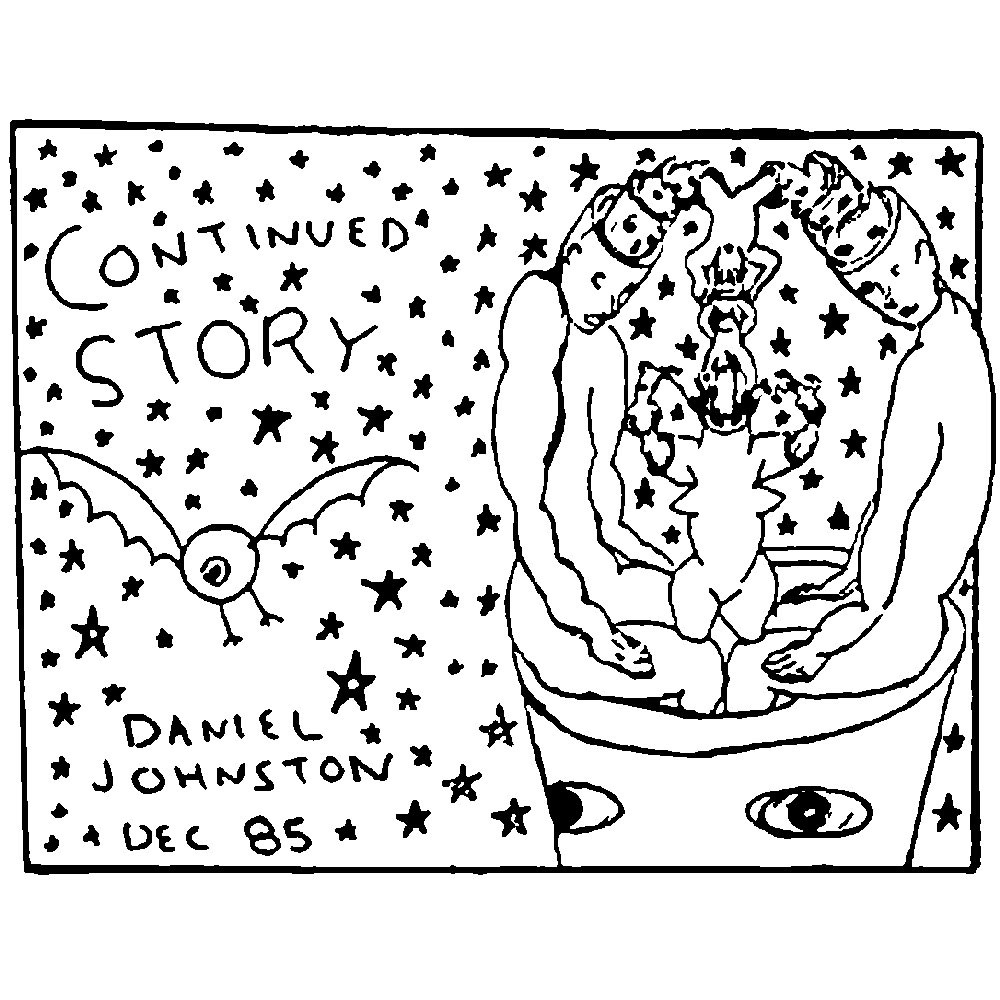
Daniel Johnston's "Fly Eye" isn't a sprawling narrative; it's a concentrated dose of existential dread, distilled into its most primal form. The repetition of "Fly eye, fly eye" immediately establishes a sense of unease, evoking the image of a persistent, buzzing presence, perhaps a metaphor for intrusive thoughts or the feeling of being watched, judged, and perpetually exposed. The fly, traditionally associated with decay and mortality, becomes a symbol of Johnston's own anxieties, magnified and inescapable. It's a minimalist mantra of paranoia.
The shift to "Into the night, it's alright" introduces a fragile attempt at self-soothing. The repetition here is less about paranoia and more about desperate affirmation. Johnston seems to be trying to convince himself that darkness offers solace, that the terrors of the day recede when veiled by night. But the sheer insistence of the phrase—"It's alright, it's alright, alright, alright"—betrays the underlying fear. It's not a statement of genuine peace, but a plea against encroaching madness.
Ultimately, the song meaning of "Fly Eye" hinges on this tension between perceived threat and forced calm. The lyrical simplicity becomes a strength, amplifying the raw emotion. It’s a glimpse into Johnston's inner world, a space where the mundane (a fly) transforms into a harbinger of profound psychological distress. The song resonates not as a complex story, but as a stark, unsettling portrait of a mind grappling with its demons, seeking refuge in the false comfort of the night.
 View Artist