Song Meaning
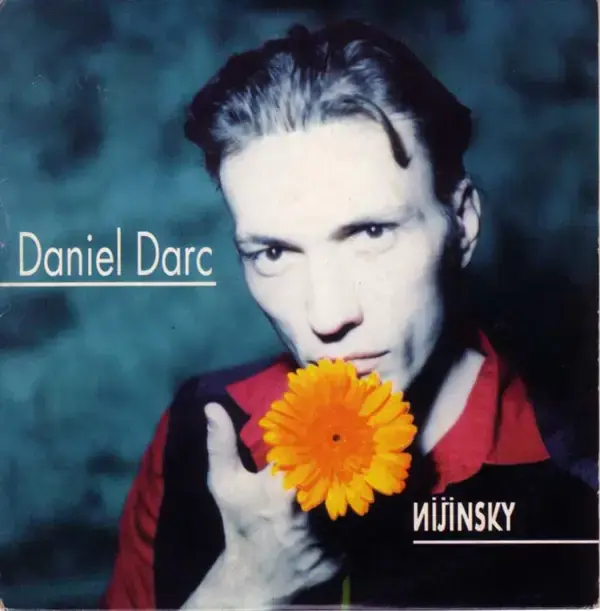
The lyrics open with a striking image: one foot on the sidewalk, the other breaking a window. This "bizarre angle" immediately establishes a defiant, unconventional stance the speaker finds "chic." The repeated invocation of "Nijinsky" punctuates this self-assured rejection of norms.
A core tension emerges from the speaker's indifference to external judgment. They declare, "Je me moque de savoir," actively dismissing conventional wisdom and past "leçons." This creates a portrait of someone deliberately choosing their own path, unburdened by memory or societal expectations.
The recurring "Nijinsky" isn't merely a name; it becomes an internal force. The line "Dans mon cerveau habite / Nijinsky" suggests this spirit or identity resides within the speaker's mind, a source of resilience. This inner strength is crucial, as the speaker notes their heart "se brise souvent" but "se répare très vite," implying a rapid recovery from emotional blows. Furthermore, the lyrics highlight a disconnect between the speaker's artistic intent and others' perception: a swimmer is seen as drowned, a flower as withered, underscoring a profound sense of being misunderstood.
Ultimately, these lyrics craft a powerful image of an individual who embraces their unique, perhaps challenging, perspective. The final lines transform death into a celebration, urging no remorse. The audacious vision of "Dieu dansera avec / Nijinsky" above the speaker's body elevates this defiant spirit to a transcendent, almost mythical plane, suggesting an enduring, unyielding essence that even death cannot diminish.
 View Artist