Song Meaning
The lyrics paint a stark, unflinching portrait of time as a predatory force. The repeated assertion, "Le temps est un charognard" (Time is a scavenger), immediately establishes a tone of grim inevitability. This isn't time as a gentle river or a fleeting moment, but as something that waits, picks at the remains, and ultimately claims everything.
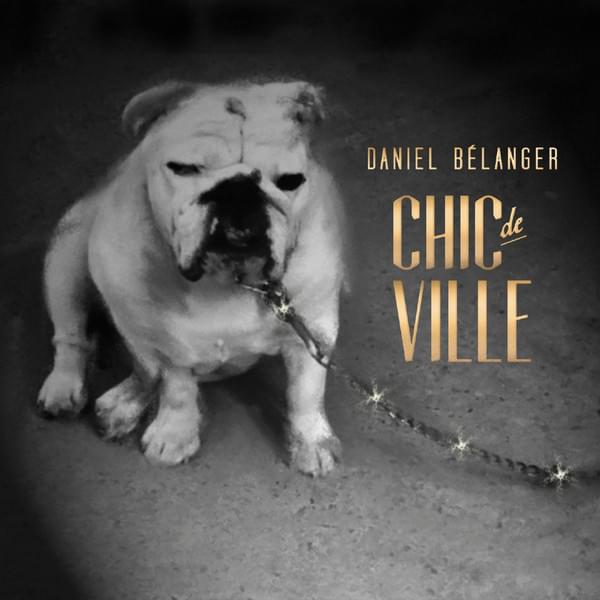
The central tension lies in time's relentless, unsentimental nature versus human attempts to find comfort or meaning. Time is depicted as reserving "une option pour plus tard" (an option for later) on our expiration dates, waiting for us to feel "moins douillet" (less cozy) before it strikes. The image of a dog unable to track anything, whimpering in a corner, and a body "plus raide encore qu'une dinde froide" (stiffer than a cold turkey) are brutally visceral, stripping away any romantic notions of death or aging.
The most striking craft element is the personification of time as a scavenger that offers no solace or narrative closure. Unlike the comforting stories we tell ourselves ("tous les racontards"), this scavenger "ne vient jamais arranger les choses" (never comes to fix things). It simply takes, leaving behind a cold, unfeeling reality. The contrast between the lovers believing "on s'y croit" (we believe ourselves to be there) and time's cynical, arrogant promise to them highlights this disconnect between human hope and time's indifferent execution.
This lyrical approach is effective because it confronts the listener with a raw, unsentimental perspective on mortality. By stripping away euphemisms and focusing on the predatory, unfeeling aspect of time, the lyrics create a powerful sense of dread and vulnerability. The stark imagery and relentless repetition hammer home the idea that time's ultimate act is not one of transformation or gentle passage, but of consumption.
 View Artist