Song Meaning
The lyrics paint a picture of nocturnal wanderings, describing the "joys" of a sleepwalker as white geese singing in the north. This surreal imagery sets a tone of detached observation, contrasting the supposed peace of spring with the persistent state of the "désespéré" – the desperate one. He sits patiently on a cold, windswept stone, adorned with mint leaves, seemingly at peace, yet the lyrics question his inner state.
The central tension arises from the narrator's inquiry into the sleepwalker's true feelings. Despite a day described as "sans discorde" and "heureux," the narrator probes why this individual flees into the night "comme un désespéré." This suggests a hidden turmoil or an inability to reconcile daytime contentment with nighttime escape, implying a deeper, unacknowledged despair.
The recurring motif of the "oies blanches" (white geese) and their song is particularly striking. They are called upon to sing "sans tumulte" (without tumult) and to declare that his sorrow is "pas d'être un adulte" (not about being an adult). This elevates the sleepwalker's condition beyond simple adult woes, framing it as a more elemental, perhaps existential, form of desperation, linked to the "airs, les amours de Borée" – the winds and loves of the North Wind, a force of nature.
Ultimately, the lyrics' effectiveness lies in this juxtaposition of serene natural imagery with profound internal conflict. The gentle, almost ethereal description of the sleepwalker and the geese creates a disarming contrast with the underlying "désespéré" state. The repeated questioning and the plea for the geese to sing for *all* the desperate ones suggest a shared, unspoken human condition, making the specific instance resonate with a broader sense of melancholy.
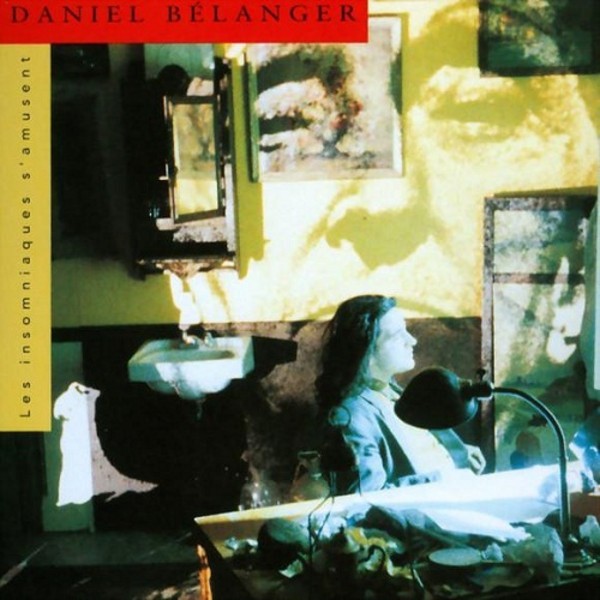
 View Artist