Song Meaning
The lyrics grapple with the painful realization that a relationship, though perhaps once loving, has soured into mutual dislike. The narrator poses a series of hypothetical questions, seeking a way out of the suffering that comes with a love that has faded, asking if it's possible to part without the agony of a genuine breakup. This isn't about a sudden end, but a slow, agonizing decline where the differences between the two individuals have become unbearable, making the idea of separation seem like a potential relief.
The central tension lies in the narrator's desire to escape the pain of unrequited or unreciprocated love, explicitly stating, "I don't like suffering from unloving." This feeling is so potent that it drives the desire to leave, not out of anger, but out of a profound weariness with the current state of emotional distress. The imagined separation is framed as potentially being "for the best," a stark acknowledgment of how deeply the incompatibilities have taken root.
A particularly striking image is the contrast between "lovers who no longer really love each other" and the final plea to "let ourselves go like real lovers." This shift suggests a desire to reclaim a sense of grace or dignity in parting, even if the love itself is gone. The lyrics propose a passive surrender to time's healing power, hoping it can "sweeten the bitterness into better memories," a poignant wish for a gentler exit from a painful situation.
This emotional landscape is effective because it articulates a very specific kind of relationship decay – one where the affection has curdled into mutual irritation. The narrator isn't mourning lost love so much as trying to navigate the exit from a love that has become a source of constant, low-grade suffering. The hope is that by letting go, they can transform the lingering bitterness into something less destructive, a more palatable memory of what once was.
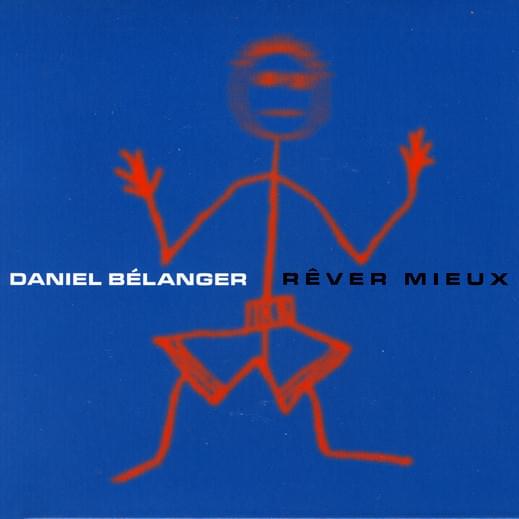
 View Artist