Song Meaning
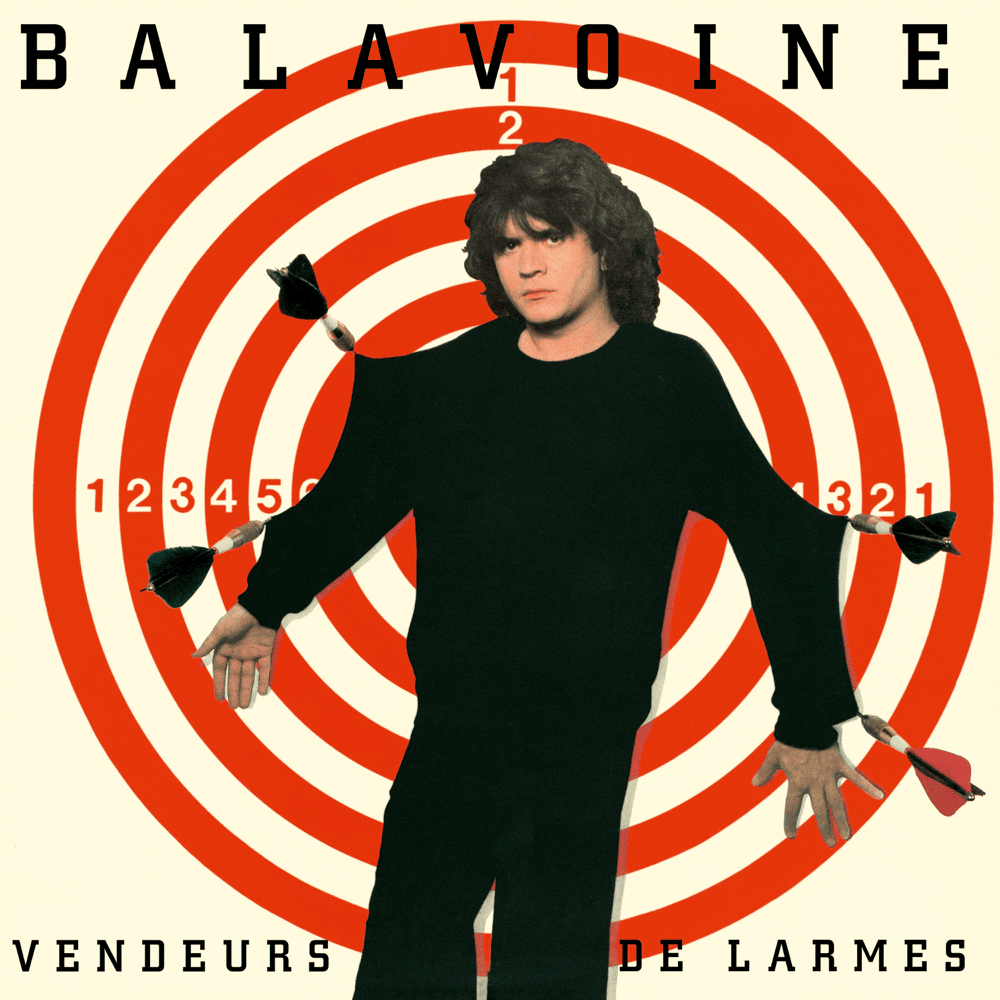
Daniel Balavoine's "Vendeurs de larmes" isn't just a song; it's a Molotov cocktail hurled at the insincerity he saw festering in the music industry. It's a raw, almost cynical takedown of artists he views as derivative and manipulative, those "chanteurs de charme" who peddle cheap emotions and empty promises. The song title, literally translated as "Tear Sellers," is itself a biting indictment, suggesting these musicians are less artists and more merchants exploiting vulnerability for profit and fame. He sees them as stealing from the past, repackaging it as their own, and even, in a more metaphorical sense, stealing the affections of others with their shallow artistry. It's a pointed critique of authenticity in a world increasingly driven by image and imitation.
Balavoine's frustration is palpable, dripping with sarcasm as he skewers these "bluesmen en paille et mal appris" – poorly learned bluesmen made of straw – who dare to turn their backs on classical giants like Rossini. He paints a picture of revolutionaries who are ultimately ineffectual, "qui comptent pour du beurre" – counting for butter, or essentially, useless. This isn't just about musical taste; it's about a perceived lack of integrity, a hollowness at the core of their artistic endeavors. The repeated lines about stealing from the elderly highlight the depths of this perceived moral bankruptcy; there's no pride or happiness to be found in such actions, reinforcing the idea that these artists are fundamentally bankrupt.
Ultimately, "Vendeurs de larmes" is a lament for a lost sense of artistic honesty. Balavoine isn't just complaining about bad music; he's railing against a culture where genuine expression is sacrificed for commercial gain. The repetition of the "Oh oh oh oh" chorus, juxtaposing "chanteurs de charme" (charming singers), "vendeurs de larmes" (tear sellers), and "trafiquants d'armes" (arms dealers), underscores the equivalence he draws between emotional manipulation, exploitation, and outright criminality. The song's enduring power lies in its unflinching portrayal of artistic disillusionment and its refusal to accept mediocrity as the price of fame.
 View Artist