Song Meaning
The lyrics paint a picture of someone repeatedly fleeing from emotional connection, characterized by the recurring image of grabbing a coat and heading for the door. This isn't a one-off event; the narrator points out it's a pattern, happening "just like the time and the time before." The immediate sense is one of frustration and perhaps a touch of pity for this self-sabotaging behavior. The narrator directly questions the effectiveness of this escape, asking, "Can you hide / From something deep inside?" and observing the solitary wandering on an "empty street."
The central tension lies in the narrator's direct confrontation of this avoidance. The repeated accusation, "You always run away from love," acts as both an observation and a plea. It highlights a deep-seated fear or inability to accept affection, suggesting a past trauma or learned behavior, possibly hinted at by the lines about parents: "Your mom and your dad, bet they treat you so bad / They're the worst friends you ever had." This implies the subject's relational patterns might be rooted in early experiences, making the escape from love a defense mechanism.
The most striking craft element is the relentless repetition of the chorus, hammering home the core message with an almost hypnotic insistence. This repetition mirrors the cyclical nature of the subject's behavior. The narrator's direct, almost accusatory questions – "Can you hide?", "who do you think you'll meet?", "Can you look ahead?" – serve to break through the subject's defenses, urging them to confront the emptiness of their flight and the potential for a different path. The contrast between the act of running and the "lonely road" underscores the futility of their efforts.
Ultimately, the lyrics resonate because they capture a familiar human struggle: the difficulty of vulnerability and the self-destructive patterns we can fall into. The narrator’s persistent questioning and the stark, repeated observation of avoidance create a sense of urgency. It’s effective because it doesn’t just state the problem; it probes the potential origins and the emotional cost, ending with a gentle, hopeful plea to "let it go" and "let your feelings show," acknowledging the difficult but necessary step toward healing.
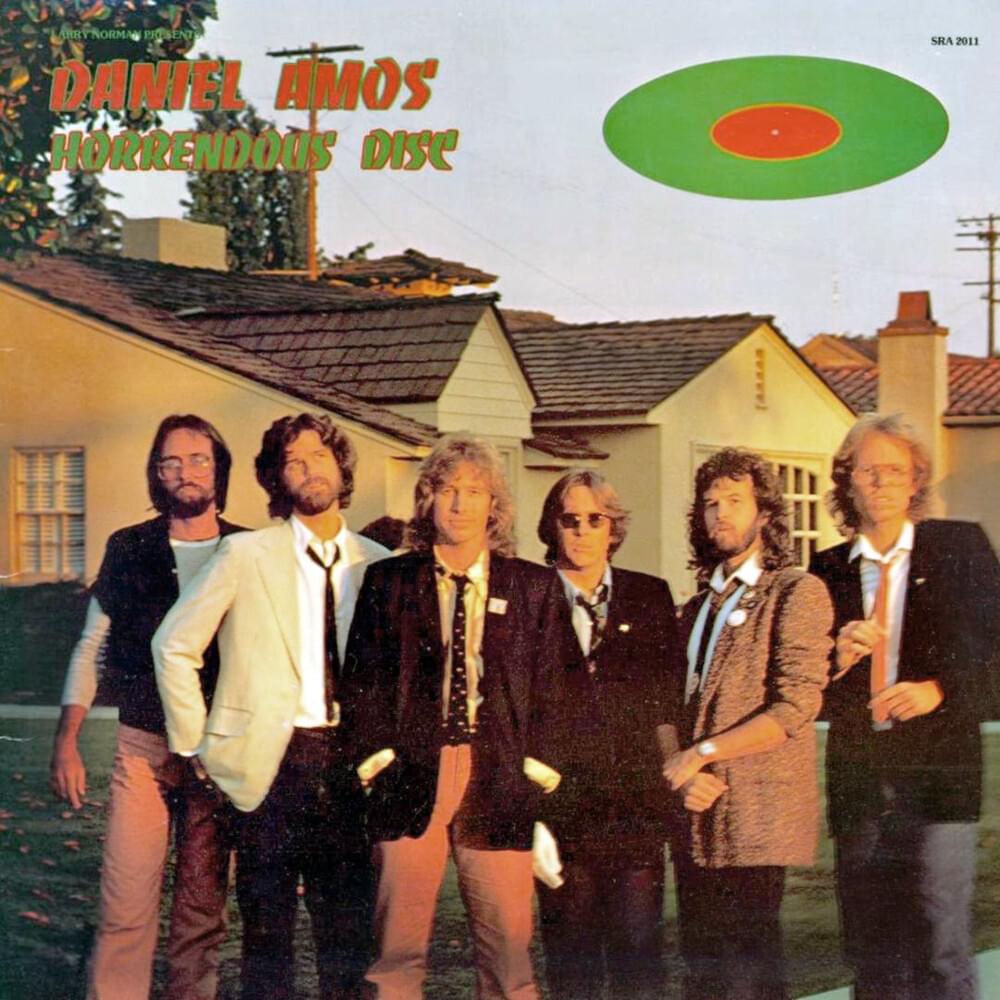
 View Artist