Song Meaning
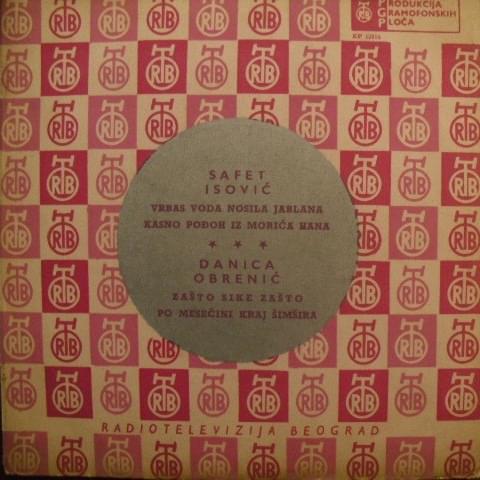
The lyrics open on a late-night scene, with the narrator passing by Morića han. In a "tijesnu sokaku," or narrow alley, they unexpectedly encounter Ajka. What begins as a simple meeting quickly turns into a minor, yet intriguing, standoff.
The narrator's immediate reaction is a polite, if firm, request for Ajka to move aside. This isn't a one-off plea; the speaker repeats it "i dva i tri puta," suggesting a growing urgency or perhaps a hint of impatience. Yet, Ajka's steadfast refusal to budge establishes the central, gentle conflict, setting the stage for an unexpected turn.
The true charm of these lyrics lies in the physical comedy that resolves this impasse. Instead of Ajka moving, the narrator's trouser buckles become entangled with her "džanfezli dimije," or silk trousers. This highly specific, tactile image transforms a simple request into an intimate, almost clumsy, embrace. The detail of the silk trousers adds a touch of elegance to the otherwise awkward situation, highlighting the unexpected closeness.
This unexpected entanglement is what makes the lyrics so effective. The contrast between the speaker's initial desire for distance and the eventual, unavoidable physical proximity creates a subtle, endearing humor. It's a moment of relatable awkwardness, where a simple interaction spirals into a memorable, slightly embarrassing, but ultimately charming mishap. The traditional exclamations "Haj" and "Aman" peppered throughout lend a timeless, almost wistful quality to this brief, human connection.
 View Artist