Song Meaning
The lyrics paint a stark picture of abandonment and longing. The repeated questions, "Gde si, dušo? Gde si rano?" (Where are you, my soul? Where are you, my dawn?), immediately establish a tone of desperate searching. These aren't just casual inquiries; they feel like cries into the void, emphasizing the narrator's profound sense of absence. The use of tender endearments like "danče mio" (my little day) and "sunce ogrejano" (my warmed sun) highlights the depth of the narrator's affection, making the current emptiness all the more painful.
This emptiness is concretized by the contrast between past hope and present reality. The narrator recalls a specific night when she "Baš zacelo nada'" (truly hoped) for her beloved's return, only for "Sunce zađe, pade tama" (the sun set, darkness fell) and she was left "sama" (alone). This juxtaposition of a hopeful anticipation with the crushing arrival of night and solitude underscores the central conflict: the agonizing wait for someone who is absent.
The lyrics masterfully employ imagery of light and darkness to mirror the narrator's emotional state. The beloved is consistently described with light-related terms – "danče mio," "sunce ogrejano" – representing joy and presence. The narrator's own experience, however, is defined by "tama" (darkness) and being left "sama." The plea, "Grli, ljubi, dok ne svane" (Hold, kiss, until dawn breaks), is particularly poignant; it's a desperate wish for the return of light and affection, a stark reminder that this intimacy hasn't happened "Ta već nisi davno" (for it's been a long time).
The raw emotional impact stems from the directness and repetition of the narrator's pain. The final stanza's repeated, anguished cry, "Ta kako si mogâ?!" (How could you?!), delivered with an almost biblical plea, "tako t' Boga" (for God's sake), transcends simple sadness. It’s a profound expression of betrayal and disbelief, amplified by the fact that a whole week has passed without a visit. The writing doesn't shy away from the raw, exposed nerve of abandonment, making the listener feel the weight of the narrator's unanswered questions and shattered hope.
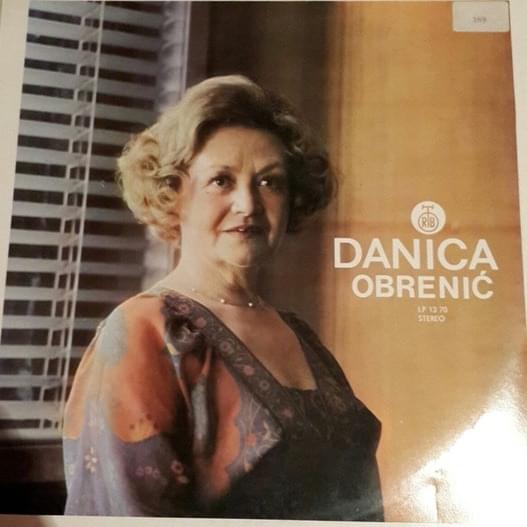
 View Artist