Song Meaning
The lyrics paint a picture of cyclical, often uncomfortable, conditions, contrasting dark and light, cold and warm, wet and dry. There's a pervasive sense of questioning the point of it all, a weariness with the mundane or difficult circumstances. This feeling is amplified by the repeated phrase "אז למה לנו כל הענין הזה" (So why do we need all this business?), suggesting a desire to break free from the routine and "go big" ("מוטב כבר שנלך בגדולות").
The central tension arises from the narrator's yearning for something more, a desire to "fly high" ("אני רוצה לטוס גבוה"). This aspiration is juxtaposed with the harsh realities of existence, like the cold nights and days, and the stark contrast between the dry, thin air above and the wet, light conditions below. The question "אם ככה אז איפה אמא שלי?" (If so, then where is my mother?) introduces a poignant note of vulnerability and perhaps a longing for guidance or comfort amidst this existential questioning.
The lyrics play with a fascinating duality of extremes, from the "dark and cold" nights to the "bright and warm" summer days, and even the final resting place in a "wet and cold grave." This constant shifting of environments highlights a feeling of being adrift, unable to find a stable or truly comfortable state. The assertion that "love knows no compromises" ("האהבה אינה יודעת פשרות") stands in stark contrast to the apparent compromises and difficulties of life, while the question "Why does loneliness have no power of rule?" ("מדוע לבדידות אין כח שלטון?") suggests a struggle against an overwhelming, yet perhaps unacknowledged, force.
Ultimately, the effectiveness of these lyrics lies in their raw, almost childlike questioning of life's inherent struggles and the desire for transcendence. The simple, repetitive structure and the direct, unadorned language create a sense of profound, relatable weariness. It’s the feeling of looking at the world, acknowledging its difficulties, and asking, with a mix of frustration and hope, for a grander escape.
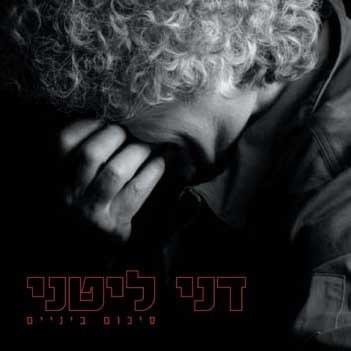
 View Artist