Song Meaning
The poem opens with a weary "sick of writing this poem," yet immediately demands the "boy" be brought forth, highlighting a profound exhaustion with the recurring tragedy. This isn't a gentle lament; it's a raw, almost violent insistence on confronting the reality of another "ordinary, black / dead thing." The speaker articulates a cycle of mourning that leads to forgetting, questioning if this numbing is an inherent part of the Black experience itself, stripped of joy and reduced to a specific, chilling dread.
The central tension lies in the stark contrast between the value placed on different lives, particularly when framed through historical and mythological parallels. The narrator points to the disproportionate response to a "white girl" kidnapping, which ignited the "Trojan war," versus the casual, almost weekly violence against Black individuals, like "Troy got shot & that was Tuesday." This comparison underscores a deep-seated injustice, questioning why Black lives don't merit the same epic scale of grief or retribution – "are we not worthy of a city of ash?"
The most striking craft element is the reframing of grief and outrage. The poem rejects the idea of a traditional elegy, instead demanding a "war to bring the dead boy back." This hyperbolic demand isn't literal but expresses the immense, unmet need for justice and remembrance. The final lines, shifting from a "song" to a "head," suggest a desperate, visceral plea for recognition and consequence, pushing beyond mere artistic expression to a demand for tangible acknowledgment of loss.
This writing is effective because it bypasses platitudes and speaks directly to a painful, lived reality. The blunt language and the stark juxtapositions create a sense of urgency and righteous anger. By refusing to sentimentalize the tragedy and instead focusing on the systemic devaluation of Black lives, the poem forces the reader to confront the uncomfortable truth of who is mourned and why.
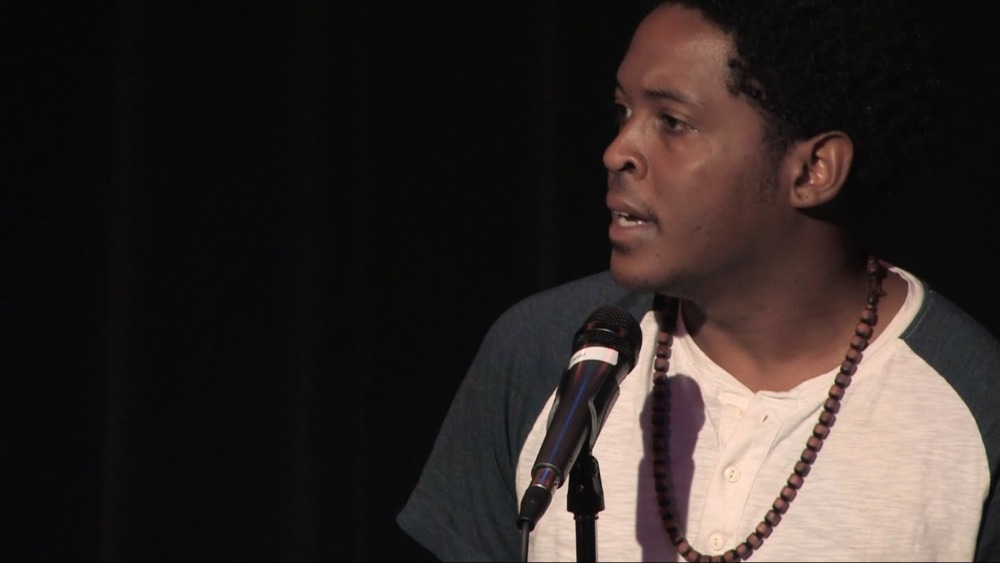
 View Artist