Song Meaning
Dan Seals' "Oh These Nights" isn't just another country ballad; it's a raw, exposed nerve of enduring grief. The song's power lies in its unflinching honesty about the cyclical nature of heartbreak. The days might bring a semblance of healing, a fragile sense of normalcy, but the nights? The nights are a different beast altogether. They represent the unguarded moments when the defenses crumble, and the full weight of loss crashes down. It's a familiar psychological landscape: the conscious mind can rationalize and compartmentalize during waking hours, but the subconscious holds dominion over the darkness. Seals captures this dichotomy with poignant simplicity. The lyrics analysis reveals a speaker caught in the push and pull between acceptance and agonizing remembrance.
"They say in time I'll be okay and I believe it," he sings, a line that speaks volumes about the well-meaning but often hollow platitudes offered in the wake of a breakup. There's a quiet desperation in that "I believe it," as if he's trying to convince himself more than anyone else. The recurring phrase "I don't think I'll ever see the light" isn't just melodramatic despair; it's an acknowledgment of the profound, almost existential darkness that grief can cast. The 'light' symbolizes hope, healing, and a future unburdened by the past—all seemingly unattainable when night falls. He notes the increasing length between "cryin'," which indicates tangible progress, yet the nights undo the days' hard work. This highlights a key aspect of trauma: healing isn't linear.
Ultimately, the song meaning of "Oh These Nights" resonates because it taps into a universal human experience: the struggle to reconcile the forward momentum of time with the stubborn persistence of memory. Dan Seals doesn't offer easy answers or a tidy resolution. Instead, he provides a starkly beautiful portrait of resilience tempered by the inescapable reality of lingering pain. It's a song for anyone who has ever felt the darkness creeping in long after the sun has gone down, a reminder that even in our strongest moments, we are still vulnerable to the ghosts of what we've lost.
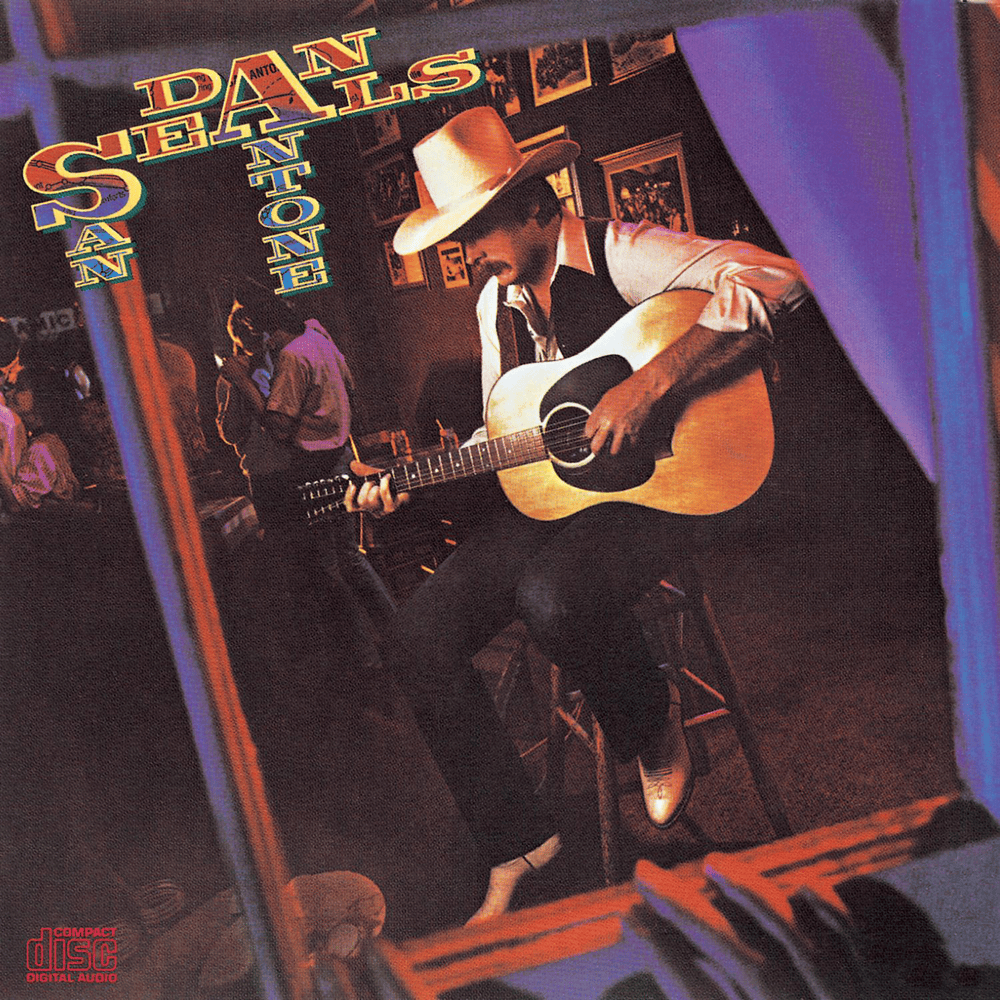
 View Artist