Song Meaning
Dan Seals' "Mason Dixon Line" isn't just a geographical marker; it's a raw, exposed nerve in the landscape of the heart. The song meaning hinges on the fault lines that crack relationships, built not on cartography but on diverging perspectives and the corrosive power of unspoken resentments. Seals evokes a love teetering on the brink, threatened by an internal conflict as palpable as the historical division the title references. The "distant rumbling" and "dark winds" aren't external forces, but the internal turmoil threatening to tear apart the lovers' bond. It's a chilling portrait of how easily intimacy can devolve into a battleground.
The genius of the lyrics analysis lies in their simplicity. Seals avoids grand pronouncements, instead focusing on the intimate consequences of ideological divides. "Our point of view is different/Depending on which side we're on" speaks volumes about the subjective nature of conflict, where blame becomes a matter of perspective. The plea to "reach across in time" isn't just a romantic entreaty; it's a desperate attempt to bridge the chasm of misunderstanding before it becomes irreparable. The repetition of the title phrase underscores the ever-present danger: they are living on this knife's edge, where every action could tip them into opposing territories.
Ultimately, "Mason Dixon Line" is a prayer disguised as a country song. The bridge, a simple request to "Change our hearts/Make us whole/Help us see forever," reveals the yearning for reconciliation that underpins the entire narrative. It's a testament to the belief that even the most entrenched divisions can be overcome with empathy and a willingness to see beyond one's own perspective. The song's power lies not in its novelty, but in its timeless exploration of the human condition, reminding us that love, like a nation, can only survive if its people are willing to stand together against the forces that seek to divide them.
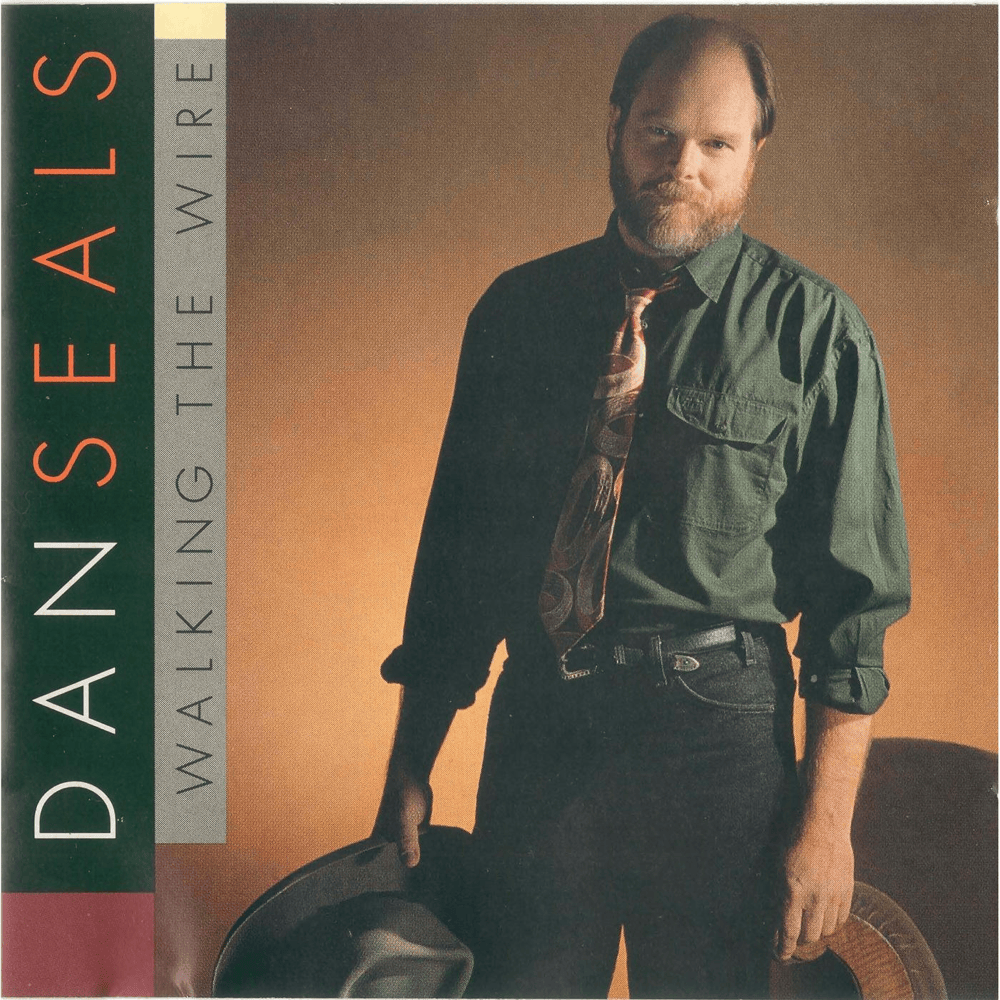
 View Artist