Song Meaning
Dan Hill's "Nobody's Right" distills the universal quest for belonging into a stark, almost painfully simple observation: we're all just searching. The song sidesteps easy judgments, acknowledging the validity of diverse paths in life's labyrinth. It presents two archetypal figures – a boy fleeing the natural world for the allure of New York City and a girl abandoning urban clamor for rural solitude. Their parallel journeys, underscored by identical desires to discover where they truly belong, become a microcosm of the human condition. The lyrics deliberately avoid prescribing right or wrong, instead focusing on the shared vulnerability of feeling lost. The 'cost' they're willing to pay isn't monetary; it's the emotional toll of uncertainty, the risk of uprooting oneself in pursuit of an elusive sense of place.
Hill's genius lies in portraying these contrasting choices without romanticizing either. The boy's high-rise existence is haunted by a 'mirror in the hallway' posing existential questions, while the girl's cabin life is punctuated by the silent, questioning gaze of 'shooting stars.' Neither finds immediate solace. Instead, both face an echoing silence, a void that mirrors their internal searching. This silence, however, isn't presented as despair but as a catalyst for growth. The song suggests that change, even when disorienting, is essential for self-discovery, even if that discovery is never fully realized.
The chorus, with its assertion that "Nobody's right, nobody's wrong," becomes a mantra of empathy. It's a gentle rebuke to the judgmental voices – both internal and external – that often accompany such pivotal life decisions. The song meaning isn't about finding definitive answers. Instead, "Nobody's Right" captures the messy, ongoing process of seeking, reminding us that the shared human experience transcends geographical location or lifestyle choices. It's about accepting the inherent ambiguity of the journey, a journey where the destination matters less than the willingness to keep searching. The song's power resides in this quiet affirmation of our shared humanity, a humanity defined by its persistent and often bewildering quest for belonging.
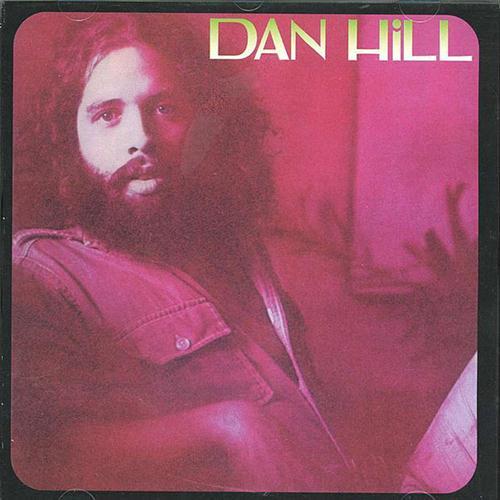
 View Artist