Song Meaning
Dan Fogelberg's "Our Last Farewell" isn't just a breakup song; it's a post-mortem on a love that refuses to die. The opening lines drip with the naive optimism of soulmates, painting a picture of two people convinced of their invincibility against the "fickle gods." This sets a high bar, a romantic ideal that the song then methodically deconstructs. The core tension lies in the paradox of letting go. The singer acknowledges the relationship's end ("now that your heart has turned away"), but simultaneously recognizes its indelible mark. It's the psychological torment of knowing a love is over intellectually, while the emotional residue lingers, haunting dreams and shaping future perceptions.
Fogelberg masterfully captures the feeling of being haunted by a past relationship. The lyrics suggest a love so profound it transcends the physical separation. Even as he attempts to "find a way to let you go," he concedes, "You will never leave me." This isn't a statement of bitterness or accusation; it's an acknowledgment of the way significant relationships become internalized, shaping our identities long after they've ended. The phrase "life's one great romance" elevates the relationship beyond mere affection; it becomes a defining narrative, a lens through which all subsequent experiences are viewed. The song meaning, therefore, isn't just about the end of a relationship, but the enduring power of love to shape a life.
The final verse, a plea to "say our last farewell," is tinged with resignation. It's an attempt to impose closure, to relegate the relationship to "the past." Yet, the preceding verses undermine this effort, revealing the futility of such a clean break. The curtain may fall, but the echoes of the performance linger. "Our Last Farewell" resonates because it confronts the messy, unresolved nature of love and loss. It acknowledges that even in farewell, a part of us remains tethered to the past, forever dancing in the theater of our minds. The song becomes a somber, yet beautiful reflection on the enduring power of love, even in its absence.
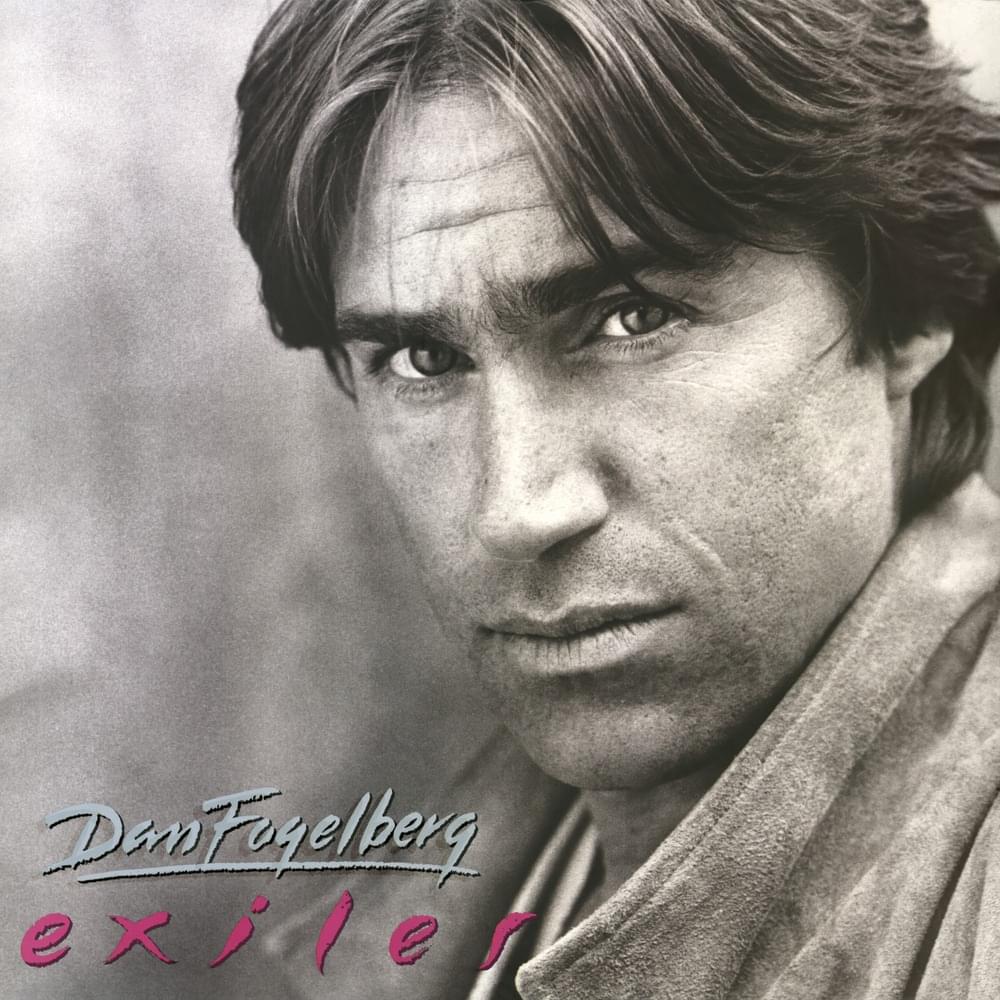
 View Artist