Song Meaning
The lyrics paint a picture of profound isolation and a yearning for connection, set against a vast, indifferent urban backdrop. The opening lines establish a sense of quiet departure and immense distance, with buses heading to "distant solar systems" and "foreign places." This hyperbole immediately elevates the mundane act of catching a bus into something cosmic and alienating, emphasizing the narrator's feeling of being left behind or disconnected from the world's movement. The phrase "wrapped in the arms of the Andes" adds a layer of geographical displacement, suggesting a longing for a specific, perhaps comforting, place that is far removed from the "central station." The narrator's declaration "I'm everywhere at once" feels less like omnipresence and more like a desperate attempt to grasp at a sense of belonging when physically and emotionally adrift.
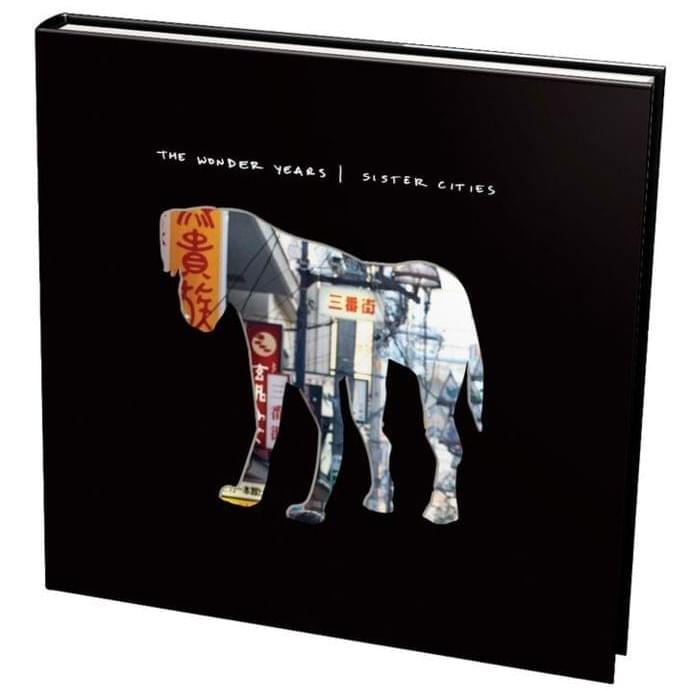
The core tension arises from the contrast between this overwhelming sense of detachment and the subsequent intimate image of being taken in. The narrator shifts from a cosmic, solitary perspective to a grounded, vulnerable one, likening themselves to a "stray dog in the street." This vulnerability is met with an act of kindness: "you took me home." This transition is crucial, moving from a state of being lost and alone to finding a potential refuge and connection. The final, striking metaphor, "we're sister cities," attempts to bridge the gap between two distinct entities, suggesting a deep, perhaps unexpected, bond forged through shared experience or mutual understanding, even if that understanding is born from the narrator's initial state of being lost.
The most compelling aspect of the writing is how it uses scale and perspective to amplify emotional states. The initial imagery of buses traveling to "solar systems" is a powerful, almost surreal, way to convey the feeling of being left behind by ordinary life. This vastness is then sharply juxtaposed with the intimate, almost pathetic image of a "stray dog." The shift from cosmic distance to street-level vulnerability is jarring and effective, highlighting the narrator's internal world. The final metaphor, "sister cities," is a fascinating choice; it implies a connection between two separate, established entities, suggesting that the bond formed is one of mutual recognition and perhaps shared identity, rather than simple ownership or rescue. It’s a sophisticated way to articulate a newfound sense of belonging that acknowledges both individuality and connection.
 View Artist