Song Meaning
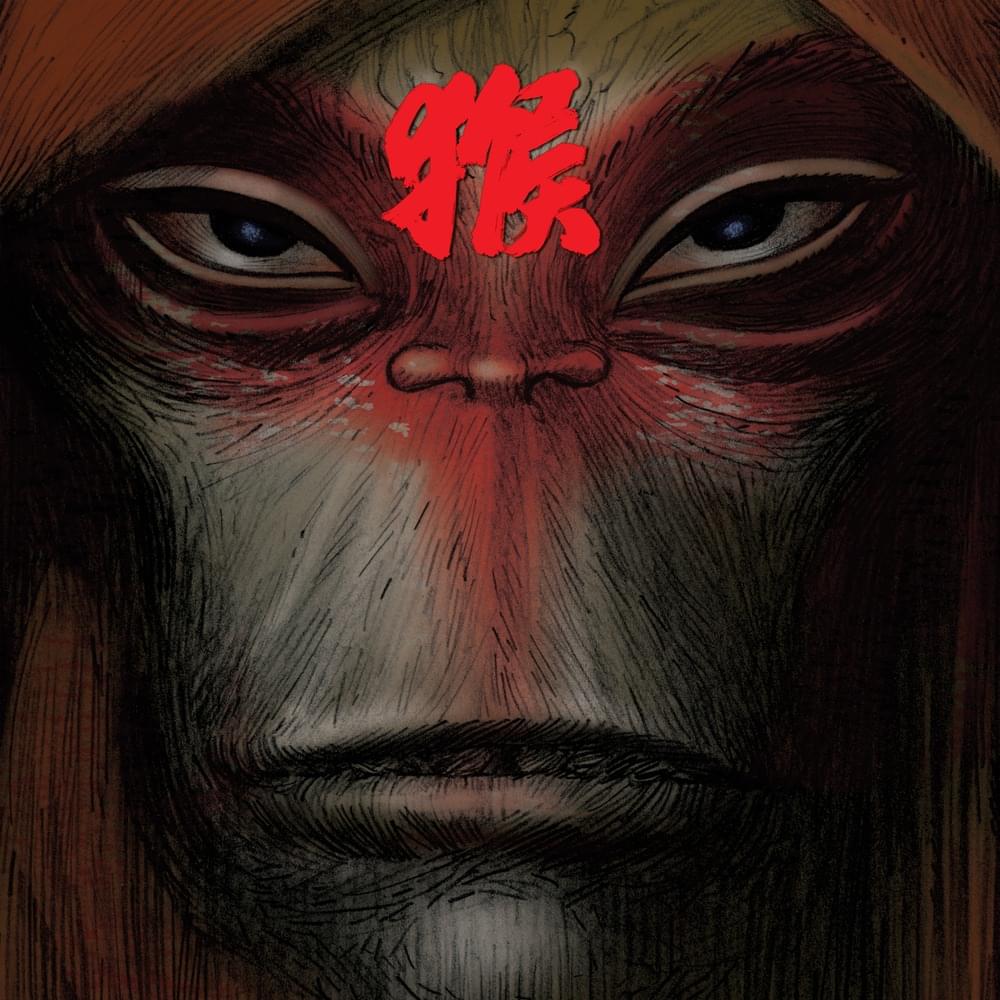
{"song_id": 11954222, "meaning": "Damon Albarn's \"Whisper\" isn't a pop song; it's a sonic koan, a meditative probe into the nature of consciousness itself. Anchored by the ethereal vocals (credited to Guan Yin, the Buddhist bodhisattva of compassion), the lyrics, sung in Mandarin, function as a guide to achieving inner peace and enlightenment through rigorous self-discipline. The opening verses establish the fundamental principle: a pure mind is an empty mind, one devoid of clinging thoughts and desires. This isn't mere escapism; it's a call to actively dismantle the internal mechanisms that perpetuate suffering. The imagery of restraining the \"Monkey and the Horse\" alludes to taming the restless, impulsive aspects of the human psyche. It suggests the need to control primal instincts and mental distractions to achieve a higher state of awareness. The song meaning, therefore, isn't narrative, but rather instructional.
The core of \"Whisper\" lies in its prescription for spiritual purification. The repeated lines focusing on rooting out the \"six robbers\" (likely referring to the six senses and their potential for attachment) and awakening the \"Three Vehicles\" (yana) underscores the Buddhist path to liberation. The lyrics imply that true freedom comes not from external pleasures but from internal mastery. The song doesn't shy away from the difficulties of this journey, acknowledging the need for vigilance and self-control. The promise of transcending depravity and entering the \"Pure Realm\" acts as both a reward and an incentive.
Ultimately, \"Whisper\" offers a glimpse into Albarn's own exploration of Eastern philosophy and its application to the human condition. It's a sonic meditation, inviting the listener to engage in a practice of self-reflection and inner cultivation. The repetition of key phrases, combined with the hypnotic melody, creates a trance-like state conducive to contemplation. The song isn't just about understanding the lyrics intellectually; it's about embodying the principles they convey. The final lines, promising eternal bliss in the West, serve as a powerful affirmation of the transformative potential of spiritual practice, a testament to the possibility of finding peace amidst the chaos of existence."}
 View Artist