Song Meaning
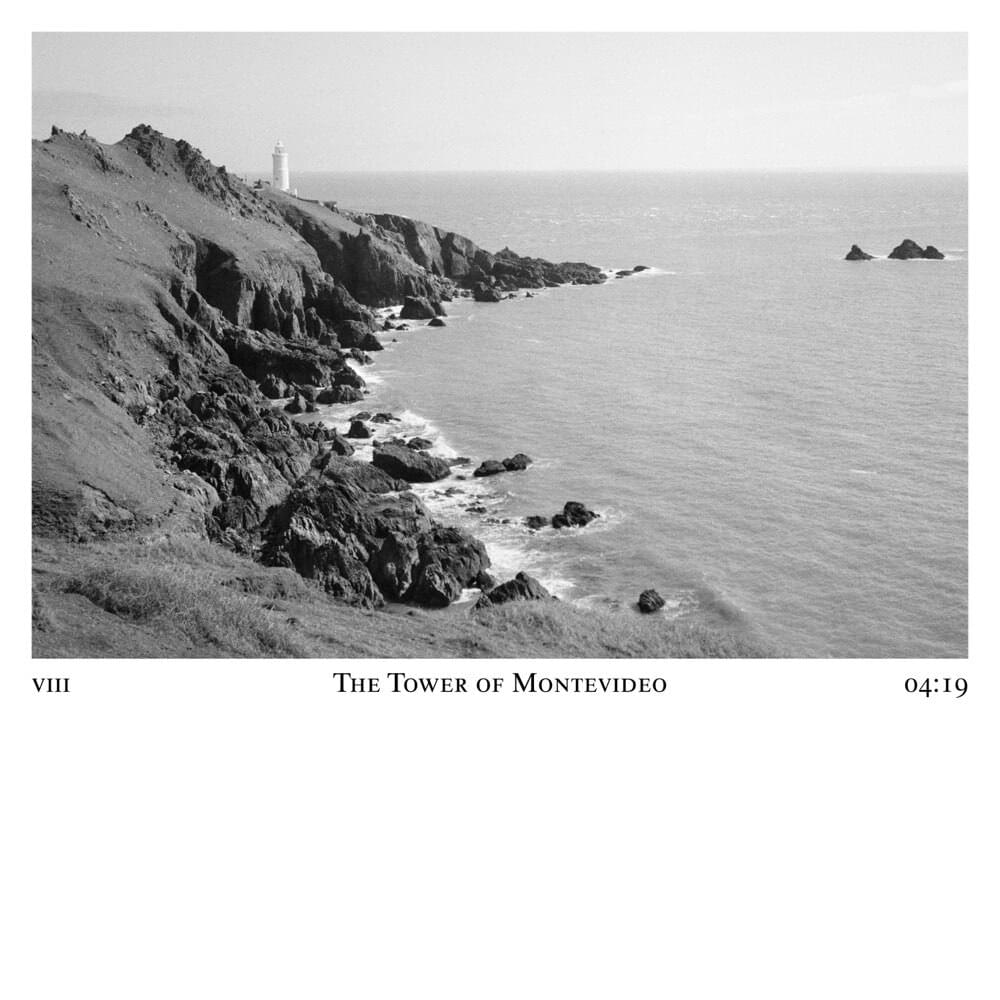
Damon Albarn's "The Tower of Montevideo" isn't a travelogue; it's a psychological architecture. The tower itself functions as a metaphor for memory, loss, and the lingering echoes of a past relationship. The opening lines immediately establish a sense of emptiness: "The Tower of Montevideo has many rooms / Some of them are empty since I left you." This isn't just about physical space; it's about the emotional void left after a separation. The image of someone "standing in silhouette by the long window" evokes a sense of isolation and contemplation, while the black cat, abandoning the world on the day bed, perhaps symbolizes a shared ennui or a desire to escape the present reality. The line "as the hours slide off the page like clouds somewhere else" beautifully captures the disorienting feeling of time passing without purpose or connection. It's a vivid snapshot of melancholic stasis. The tower, therefore, isn't just a location, but a container for these feelings.
Verse two introduces a contrast: "Once, there was cinema and we had parties." The tower was once a vibrant space, filled with life and connection. The mention of the light reaching Argentina hints at a time of expansive possibilities and shared dreams. However, even within this memory, there's a sense of something hidden or suppressed: "the portrait of the artist was kept down in the basement." This could represent the artist's (perhaps Albarn's own) insecurities or vulnerabilities being kept out of sight during the relationship. The recurring line "Since I left you" acts as a haunting refrain, underscoring the idea that the tower's emptiness is a direct consequence of the relationship's end. It tethers the listener to the core theme of loss that pervades the song.
Ultimately, "The Tower of Montevideo" is a meditation on the enduring power of memory and the way past relationships can shape our present experience. The song meaning resides in the contrast between the tower's present emptiness and its former vibrancy. The "ghost of the empty room" in the outro suggests that even though the relationship is over, its presence continues to haunt the space, both literal and metaphorical. Albarn masterfully uses the tower as a symbol of the mind, a place where memories linger and emotions echo long after the events that created them have passed.
 View Artist