Song Meaning
Damon Albarn's "Alice Saw" is a sonic and lyrical study in isolation, filtered through the lens of Lewis Carroll's enduring creation. The stark repetition of "Alone in my room" acts as both mantra and prison, immediately establishing a sense of confinement. This isn't just physical solitude; it's a deeper, psychological state, perhaps hinting at depression or a retreat from the overwhelming stimuli of the outside world. The twilight setting further emphasizes this liminal space, a world existing between day and night, reality and fantasy. Albarn, a master of mood, uses this simple framework to build something far more complex.
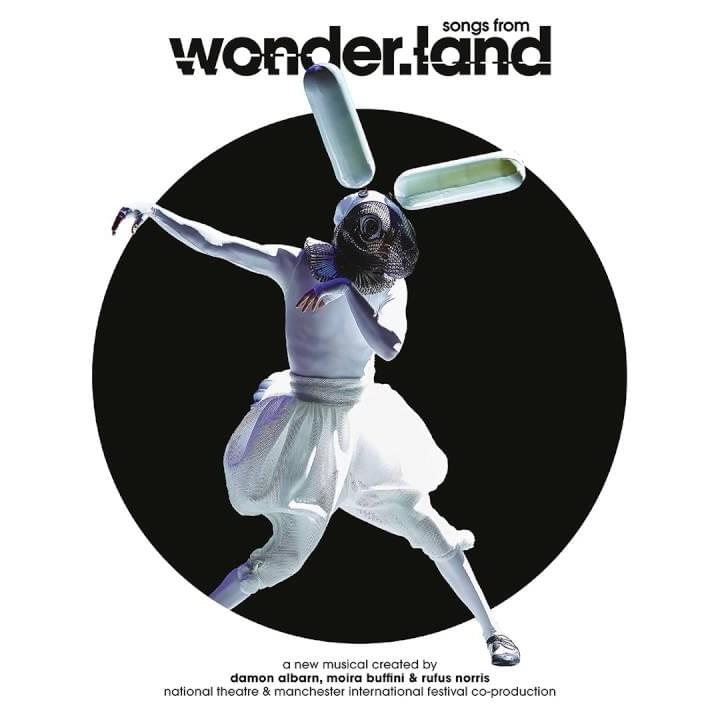
The recurring "Alice saw" refrain isn't merely a reference to *Alice in Wonderland*. It's about the act of perception itself. Alice, in her journey, witnesses the absurd, the chaotic, and the transformative. In this song, the narrator, confined to their room, seems to yearn for a similar experience, a break from the monotony of their internal landscape. The "WWW Wonderland" could be interpreted as a twisted, digital-age echo of Carroll's creation, a virtual escape offering both allure and potential danger. The repetition of "everything" underscores the overwhelming nature of this potential escape, the sensory overload that awaits.
The song's power lies in its simplicity and ambiguity. The listener is left to grapple with the narrator's yearning and the potential dangers of seeking solace in fantasy. Is "Alice Saw" a lament for lost innocence, a commentary on the isolating effects of modern life, or a cautionary tale about the seductive pull of escapism? Perhaps it's all three, woven together in Albarn's signature style. The song becomes a mirror, reflecting our own desires for escape and the price we might pay to find it.
 View Artist