Song Meaning
The lyrics paint a picture of enduring hardship, acknowledging a prolonged period of darkness. Yet, a persistent sense of hope emerges, framed by the classic "light at the end of the tunnel" imagery. This isn't a sudden burst of optimism, but a gradual dawning, a quiet conviction that a better time is coming. The repeated phrase "Dans l’horizon, je vois l’aube" acts as a mantra, anchoring the listener in this forward-looking perspective.
The central tension lies between the oppressive present and the anticipated future. The narrator directly addresses someone, "ma belle," who is suffering from "misère" and a "esprit morose." This suggests a shared struggle, with the narrator offering solace and encouragement. The "nuit glacée" and "obscurité" are palpable, but they are contrasted with the promise of a rising sun that will "faire fondre ta misère."
The most striking aspect of the craft is the relentless repetition of the core phrase, acting as both a refrain and a thematic anchor. This repetition isn't just for emphasis; it mirrors the act of holding onto hope through difficult times. The imagery of the "soleil" rising and the "cloches du matin" arriving provides concrete, sensory details for this abstract concept of a brighter future, making the promise feel more tangible and earned.
Ultimately, the effectiveness of these lyrics stems from their simple, direct appeal to perseverance. The narrator’s unwavering gaze towards the horizon, coupled with their commitment to stay "avec toi," creates a powerful message of solidarity and enduring hope. It’s the quiet strength in the face of prolonged difficulty that resonates, suggesting that even in the deepest night, the dawn is always on its way.
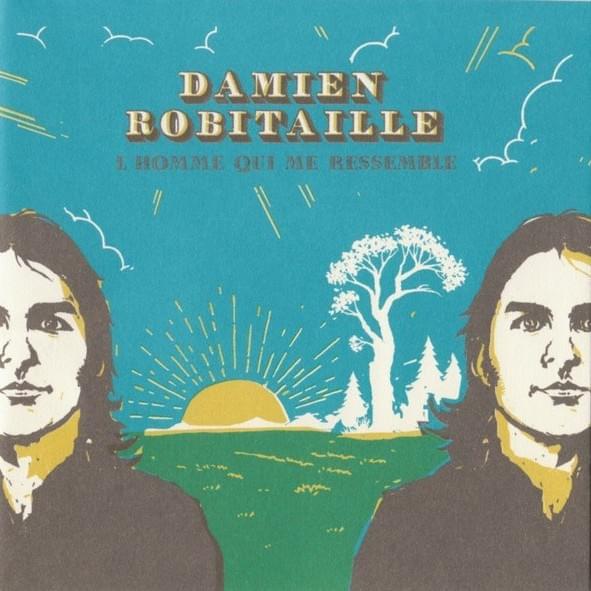
 View Artist