Song Meaning
The narrator arrives at a crossroads, a place called Zaragoza, with a profound sense of weariness and a desire for an end to their current suffering. The opening lines paint a picture of physical and emotional exhaustion: "food on the fire, but I ain't hungry no more" suggests a loss of appetite for life itself, while "a crack in my heart and such a heavy load" and traversing "a thousand miles down this old dusty road" underscore a long, arduous journey.
The core tension arises from the narrator's desperate need for a "start" that will simultaneously serve as "the end" of their troubles. This paradox is amplified by the visceral imagery of "rocks in my back and spiders in my bed," and the almost apocalyptic "gods in the sky throw lightning at my head." These phrases convey a feeling of being physically and psychologically tormented, with even their supposed comforts, "Mary Jane and JJ," being presented as the "only friends," hinting at isolation and perhaps unhealthy coping mechanisms.
The repeated declaration, "Zaragoza / Here I come / Zaragoza / Yeah, I'm on the run," functions as both an arrival and an escape. It’s a destination sought out of desperation, a place where the narrator hopes to outrun their past, symbolized by leaving "my baby" and now being "all alone." The repetition of this arrival, juxtaposed with the final, stark realization of solitude, highlights the bittersweet nature of their quest – finding a potential new beginning at the cost of profound loneliness.
This lyrical construction effectively captures a feeling of being trapped between past pain and an uncertain future. The raw, almost primal imagery of torment and the simple, declarative chorus create a powerful emotional resonance, making Zaragoza a potent symbol of a last-ditch effort for peace, even if that peace comes with the heavy price of isolation.
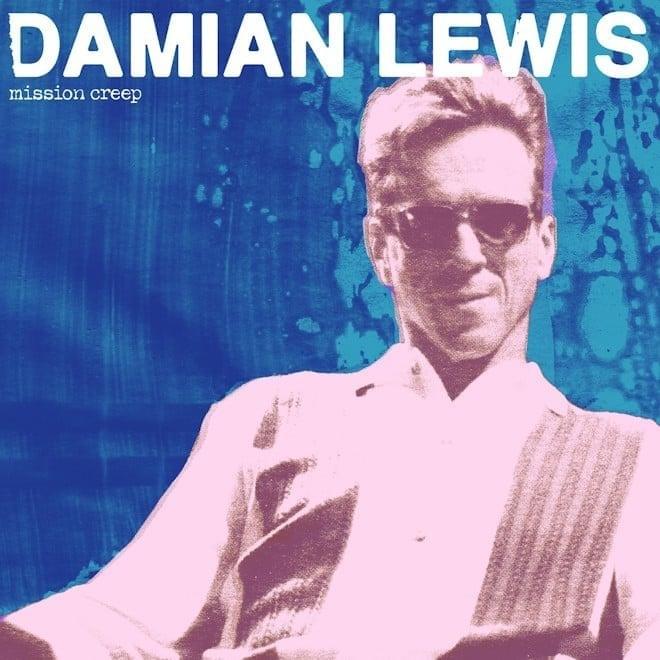
 View Artist