Song Meaning
The lyrics paint a vivid picture of a past era, a time of carefree joy and simple pleasures. The narrator recalls a specific street where a "good wind" once brought her, and a moment of shared intimacy, perhaps a playful, almost conspiratorial glance or gesture, at the corner. This idyllic past is encapsulated in the refrain, "Quelli erano giorni si, erano giorni e tu / Al mondo no, non chiedere di pi?" – a sentiment that suggests a perfect, self-contained happiness that asked for nothing more than its own existence. The imagery of dancing "without music" in their hearts speaks to an internal rhythm, a spontaneous connection that transcended external stimuli.
The core tension arises from the inevitable passage of time and the fading of this golden age. The metaphor of roses that no longer bloom "one morning" starkly illustrates this decay, mirroring how the "good wind" ceased to blow. This transition from vibrant life to a muted present is palpable. The narrator revisits the same street, but the magic is gone, replaced by a memory that brings a bittersweet ache, "un oro qui" – a warmth tinged with longing. The sight of the former companion now recounting stories to a group of friends highlights the distance and the change in their shared world.
A particularly poignant craft element is the recurring, almost mantra-like "la, la, la." Initially, it accompanies the idea of having "much more" in their hearts, suggesting an overflowing, inexpressible joy. Later, it frames the narrator's current singing, implying that even this act of remembrance is a form of catharsis, a way to process the past without necessarily recapturing its essence. The phrase "Di l? passava la nostra giovent?" – "Over there passed our youth" – acts as a final, definitive marker of what has been lost, solidifying the street not just as a location, but as the very stage of their vanished youth.
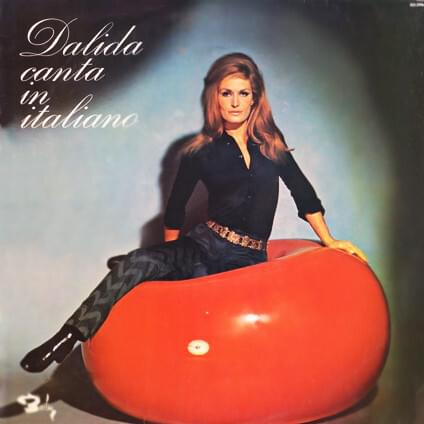
 View Artist