Song Meaning
The lyrics paint a stark picture of loss and lingering attachment. The opening lines immediately establish a contrast between a beautiful past, "Que la vie était jolie / Près de toi," and a desolate present where the love has ended and the former partner is "Dans les bras d'un autre amour." This sets a tone of profound sadness and disbelief.
The central tension arises from the narrator's inability to move on. Despite the finality of the separation, signaled by "Au matin s'en est allé / Celui que j'ai tant aimé," and the desperate attempts of friends to help, the narrator remains trapped in grief. The repeated phrase "Sans espoir" underscores the depth of this despair, suggesting a complete surrender to sorrow.
The most poignant craft element is the stark realization of replacement: "Une fille est à son bras / Y'a pas longtemps, c'était moi." This direct comparison highlights the painful immediacy of the loss, transforming a past intimacy into a present source of agony. The narrator's lingering hope, even in the face of this evidence, is expressed in the final lines, "Mais je t'attendrai toujours," which directly contradicts the earlier declaration of finality.
This lyrical structure effectively conveys the cyclical nature of heartbreak. The repetition of the opening sentiment, "Que la vie était jolie," at the end, but with the added resolve of waiting, emphasizes how the memory of past happiness fuels a desperate, perhaps irrational, hope for reconciliation. It’s this persistent clinging to a beautiful past, even as the present offers undeniable proof of its end, that makes the narrator's plight so heart-wrenching.
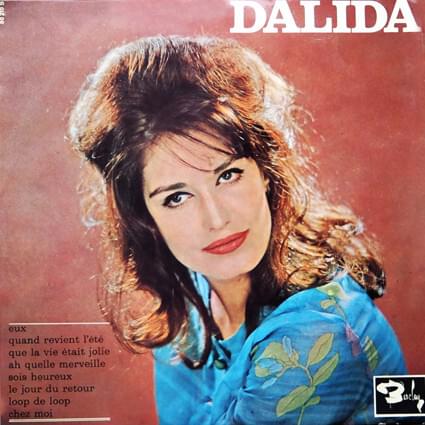
 View Artist