Song Meaning
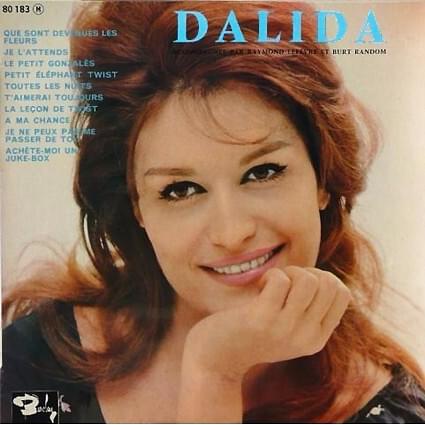
The lyrics paint a playful, almost whimsical scene of a couple dancing, where one partner likens the other's moves to a "petit éléphant." This isn't a critique of clumsiness, but rather an observation of a specific, endearing awkwardness in their dancing style. The narrator finds this "petit éléphant" dance amusing and charming, even apologizing for the comparison while insisting it's not meant unkindly. The core of the song lies in this affectionate teasing and the unique way the narrator perceives their partner's movement.
The central tension arises from the contrast between perceived social norms of dancing and the narrator's personal appreciation for their partner's unconventional style. The lyrics suggest that men who can't "twister comme ça" are somehow "perdant," implying a social expectation of smooth, perhaps trendy, dance moves. Yet, the narrator finds more joy and connection in their partner's "tout petit p'tit p'tit éléphant" gait, even when he claims to be "à la page." This highlights a personal preference over external validation, finding genuine affection in something others might dismiss.
The most striking craft element is the extended, quirky metaphor of the "petit éléphant." The repetition of "p'tit éléphant" and the increasing number of "p'tit"s in "tout petit p'tits p'tits p'tits éléphants" emphasizes the endearing, perhaps slightly clumsy, nature of the movement. The narrator then uses this image to assert possession and affection, stating, "toi tu seras toujours à moi / Mon p'tit éléphant." This transforms the initial playful jab into a declaration of unique belonging, suggesting that this specific, perhaps awkward, dance is what makes the partner uniquely theirs.
Ultimately, these lyrics resonate because they capture a specific, intimate moment of affection built on gentle mockery and personal acceptance. The narrator's heart beats faster "à tout rompre" while dancing, feeling "sans défense" – emotions amplified by the very quirkiness they observe. The song celebrates finding love and connection not in perfection, but in the endearing, individual eccentricities that make a partner uniquely lovable, turning a potentially unflattering comparison into a term of endearment.
 View Artist