Song Meaning
The lyrics present a direct address to someone named Marina, offering cautionary advice about love and relationships. The opening lines immediately establish a tone of gentle warning: "Marina, Marina, Marina / Je sais qu'il est bon d'être aimé / Mais ne vas, ne vas, ne vas pas / Courir au devant des baisers." This sets up a central tension between the desire to be loved and the need for caution, urging Marina not to rush into romantic encounters without certainty. The repetition of "ne vas pas" emphasizes the urgency of this plea.
The core conflict revolves around impatience versus prudence in matters of the heart. The narrator acknowledges that love can be enticing but warns against acting solely on impulse, stating, "Et quand on a le coeur plein d'impatience / On sait très très bien quand ça commence / Mais on oublie comment ça peut finir." This highlights a common human tendency to focus on the immediate thrill of a new connection while overlooking potential future pain or disappointment. The repeated "Oh non non non non non non" acts as a refrain of doubt or a plea to reconsider.
A particularly striking image is the act of "Effeuiller la marguerite," a French idiom for playing the game of "he loves me, he loves me not." This traditional method of seeking validation through a simple flower contrasts with the complex emotional advice being given. It suggests that Marina might be relying on superficial signs or simple games to gauge affection, rather than deeper certainty. The advice to "Sois tendre et coquette / Mais ne perds jamais la tête" further refines this, advocating for a balance between charm and self-possession.
Ultimately, the effectiveness of these lyrics lies in their direct, almost parental, guidance delivered with a sense of lived experience. The narrator isn't just stating facts; they're sharing hard-won wisdom about the potential pitfalls of love. The repeated use of Marina's name, coupled with terms of endearment like "Ma petite," creates an intimate and caring atmosphere, making the cautionary advice feel like genuine concern rather than a cold lecture. It’s this blend of tenderness and stern warning that makes the message resonate.
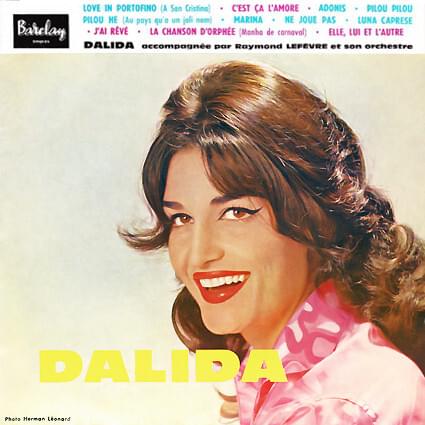
 View Artist